
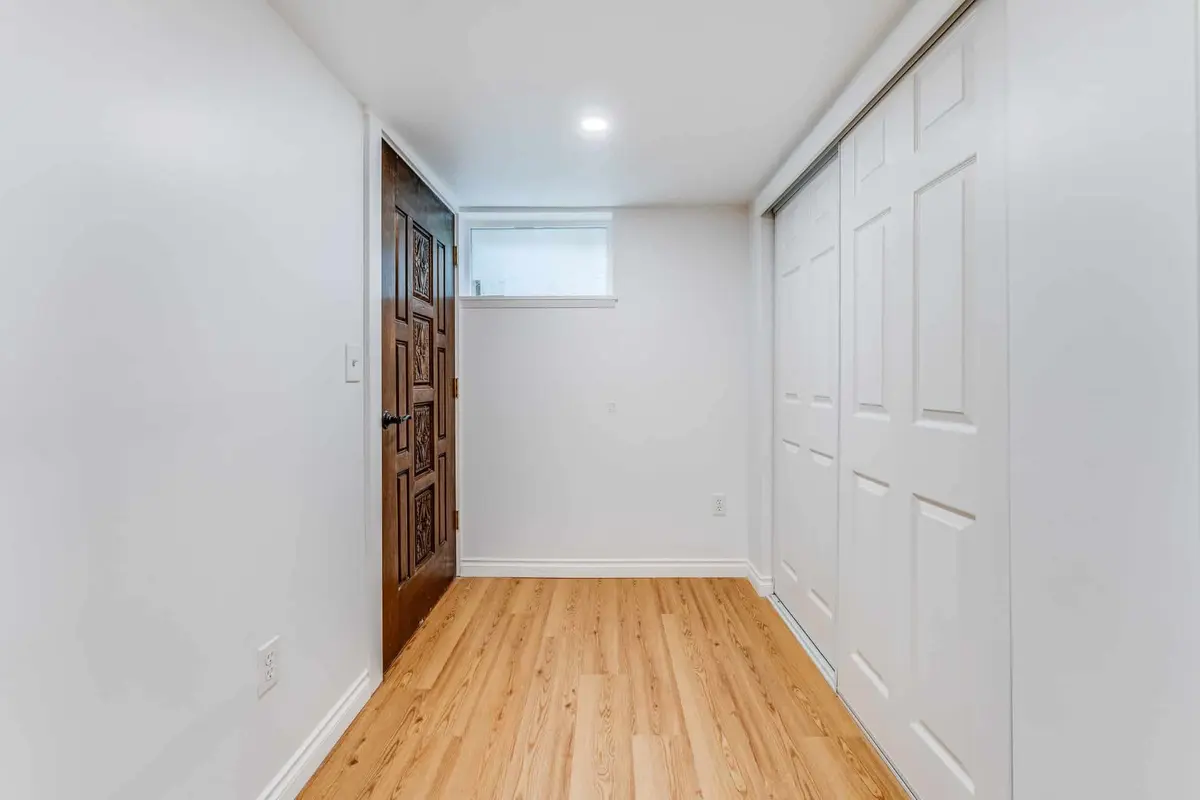
ADU vs DADU in Seattle, WA: What Is the Difference?
An ADU, or accessory dwelling unit, is a separate home on the same lot as a house.
How long our own dated bathroom, kitchen and whole home remodels took, Houzz national averages, and the planning steps that come first.
An ADU, or accessory dwelling unit, is a separate home on the same lot as a house.
A remodel in the Seattle area takes from 2 to 5 weeks on site for a kitchen refresh to 9 to 14 months for a whole home gut renovation, according to our October 2026 pricing guides.
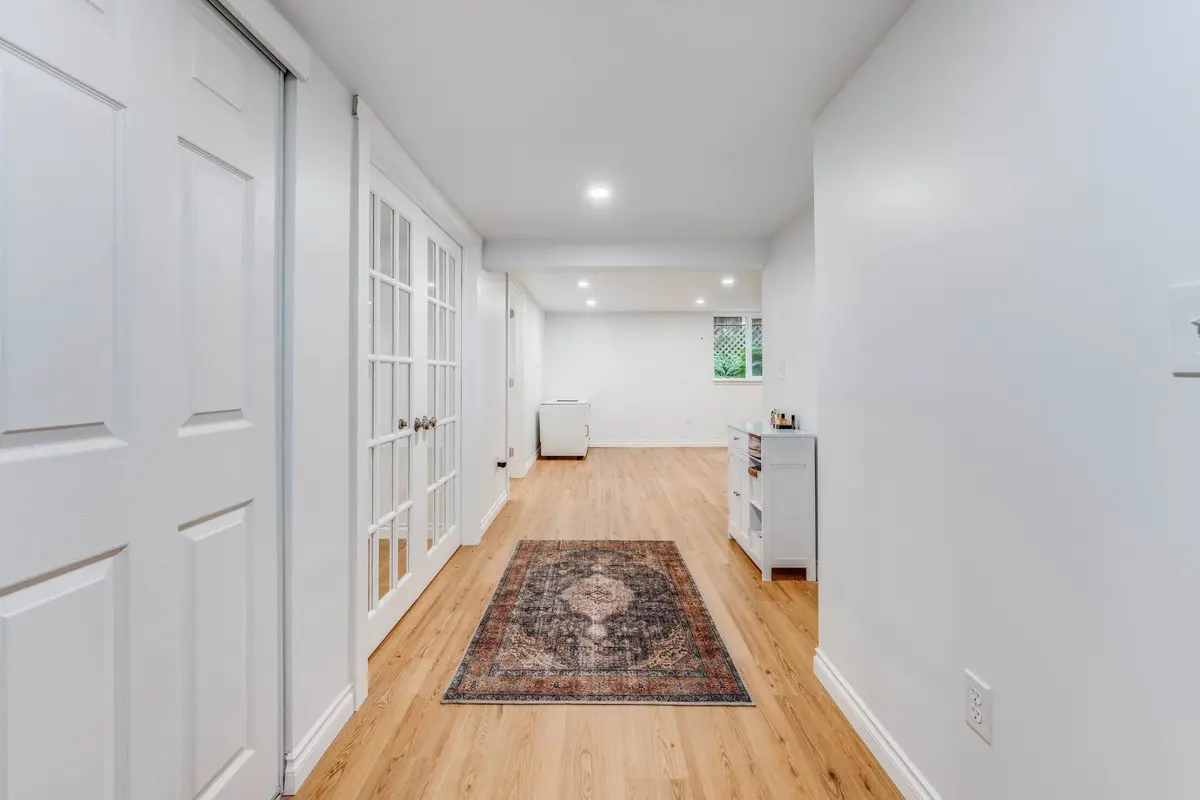
A remodel in Seattle needs a building permit unless the 2021 Seattle Residential Code exempts it.
A winter-friendly outdoor living space is a patio or deck you can use through a Seattle area winter.
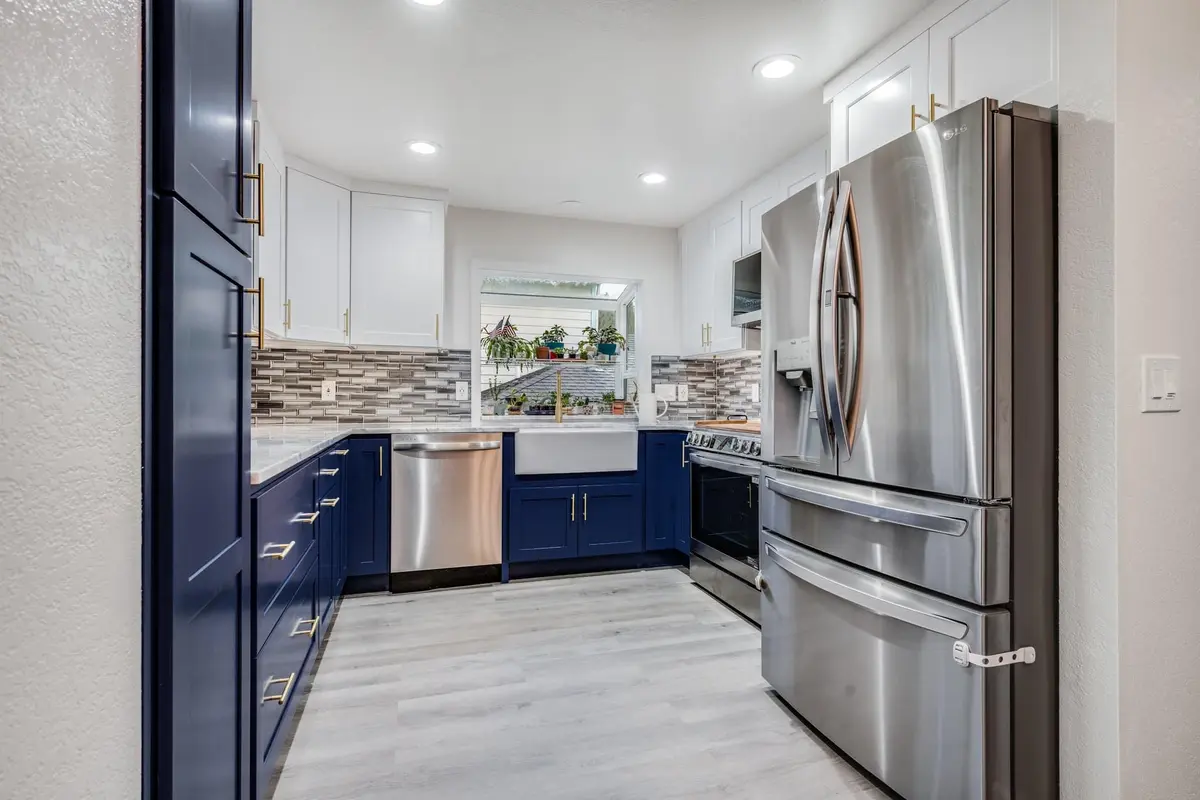
Choosing appliances for a kitchen renovation is six decisions made before the cabinets are ordered: the size of each opening, the fuel and power each appliance needs, the hood and its vent, stainless or panel-ready fronts, energy use and the budget. Appliance purchase and installation sit outside our kitchen starting prices.
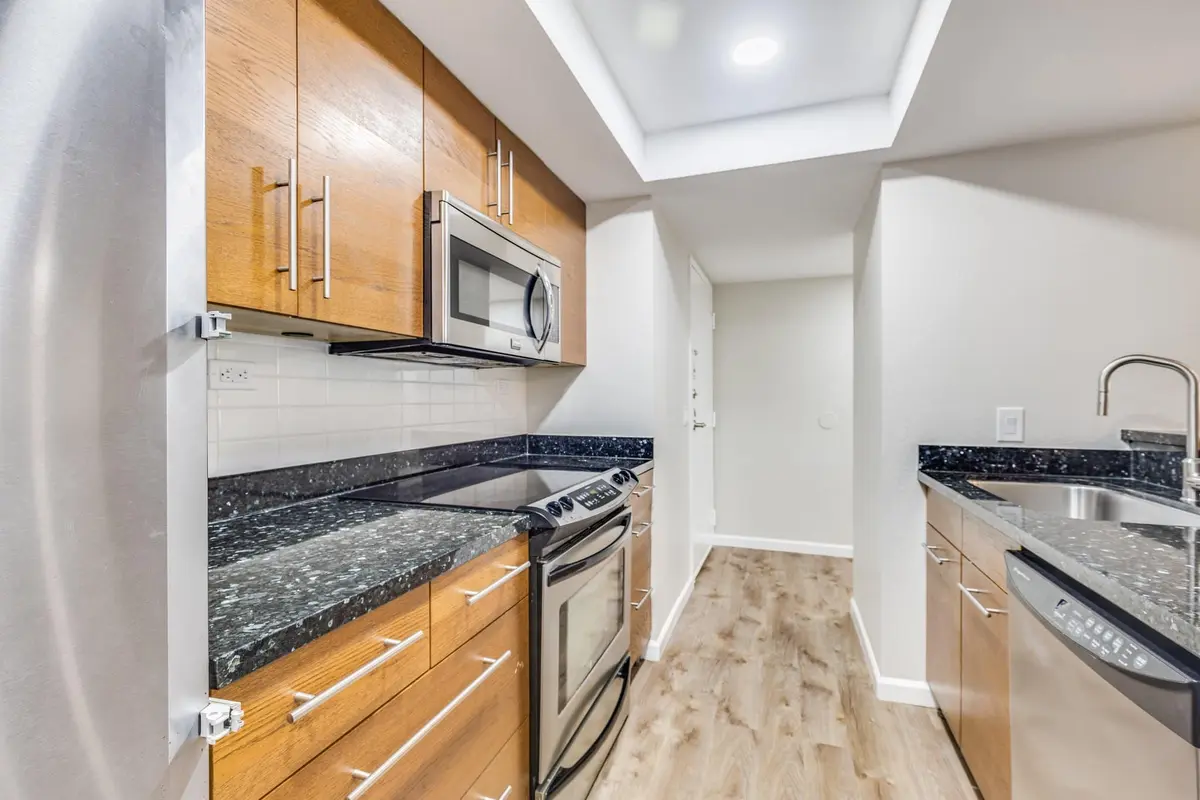
New construction is building a structure, or new square footage, that was not there before.
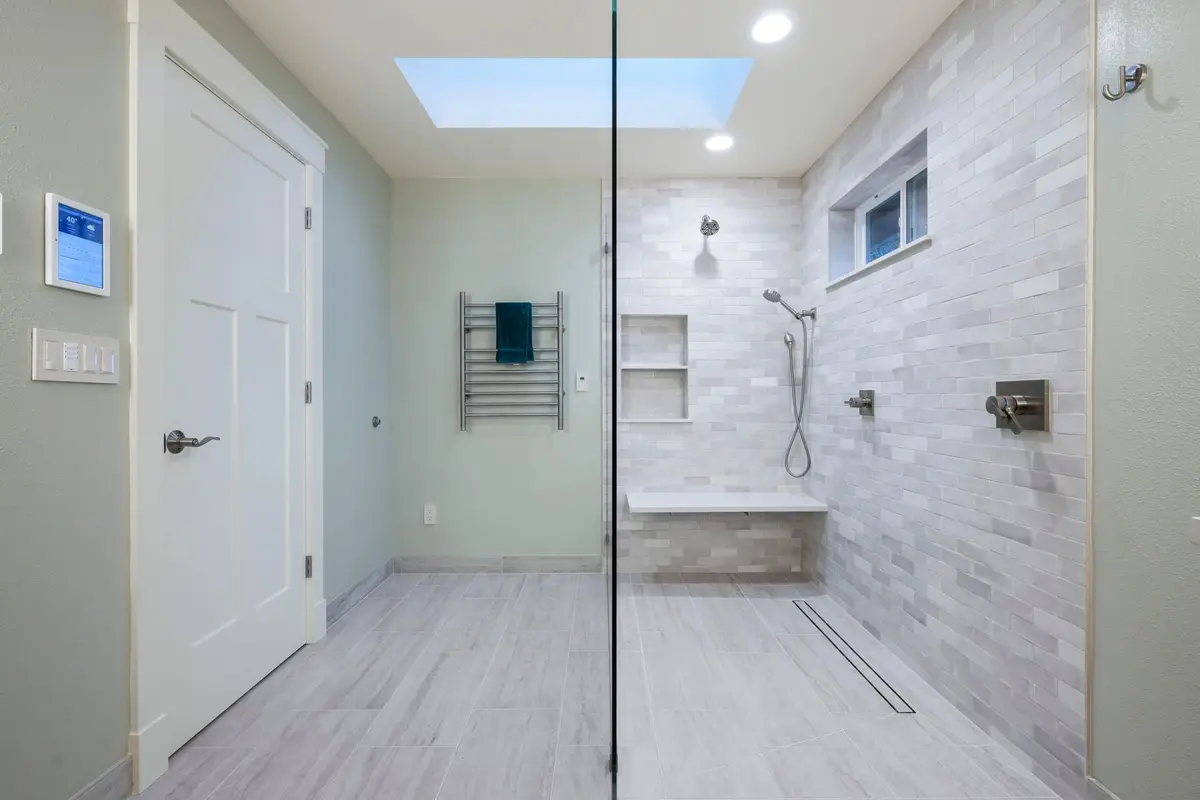
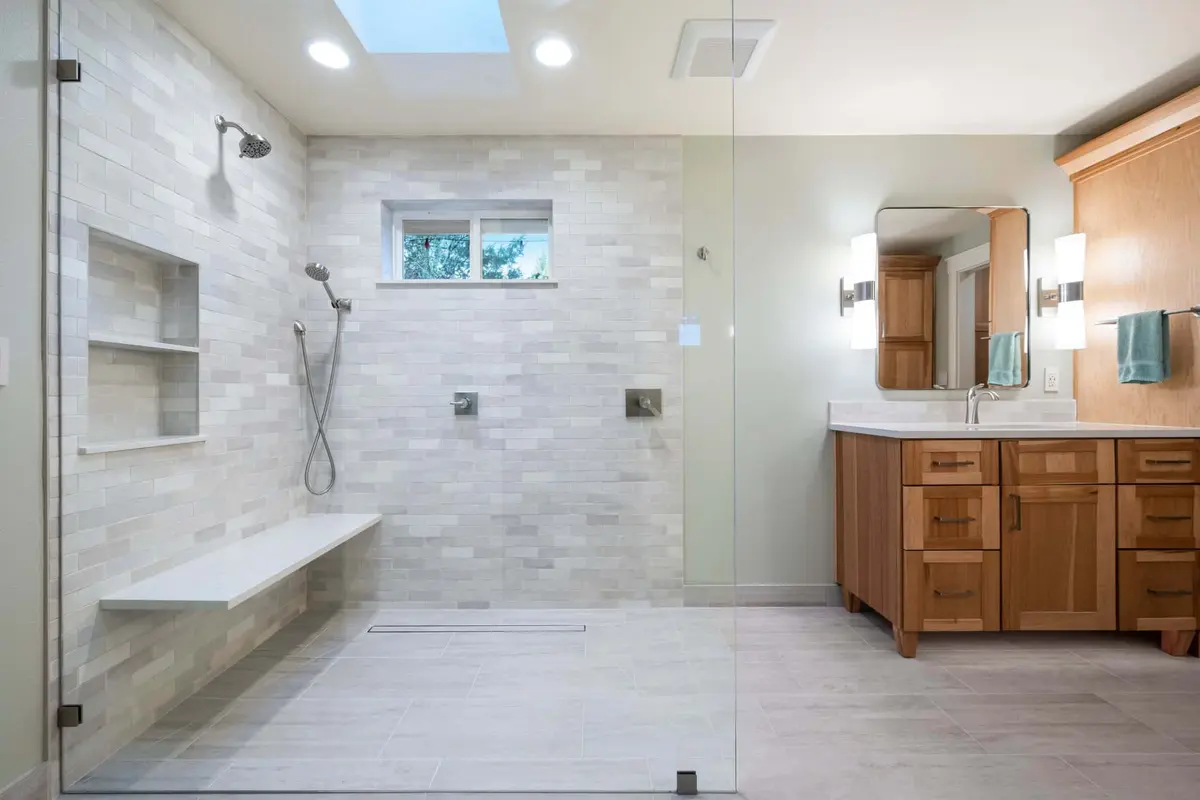
The five shower remodel ideas are a curbless entry with a linear drain, a built-in bench, a recessed or lit niche, frameless glass, and a pebble or patterned floor.
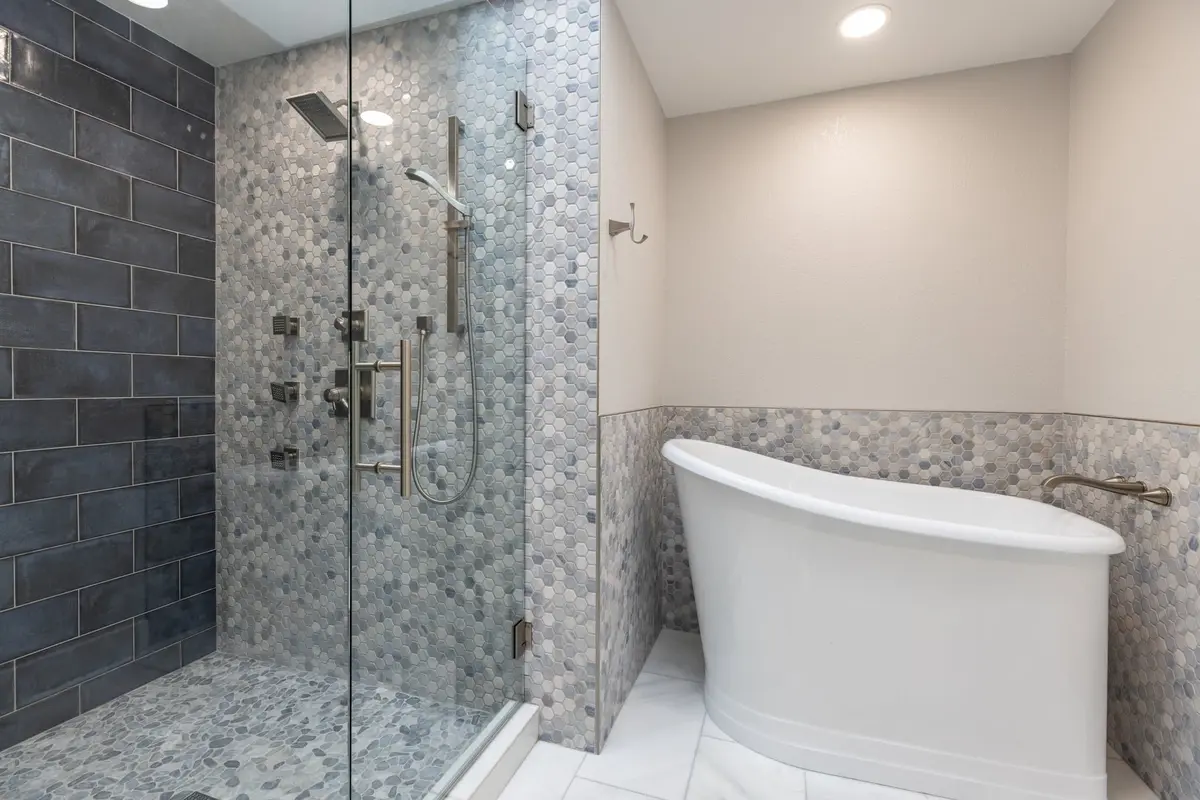
Home renovation stress is managed by putting each worry in writing before work starts.
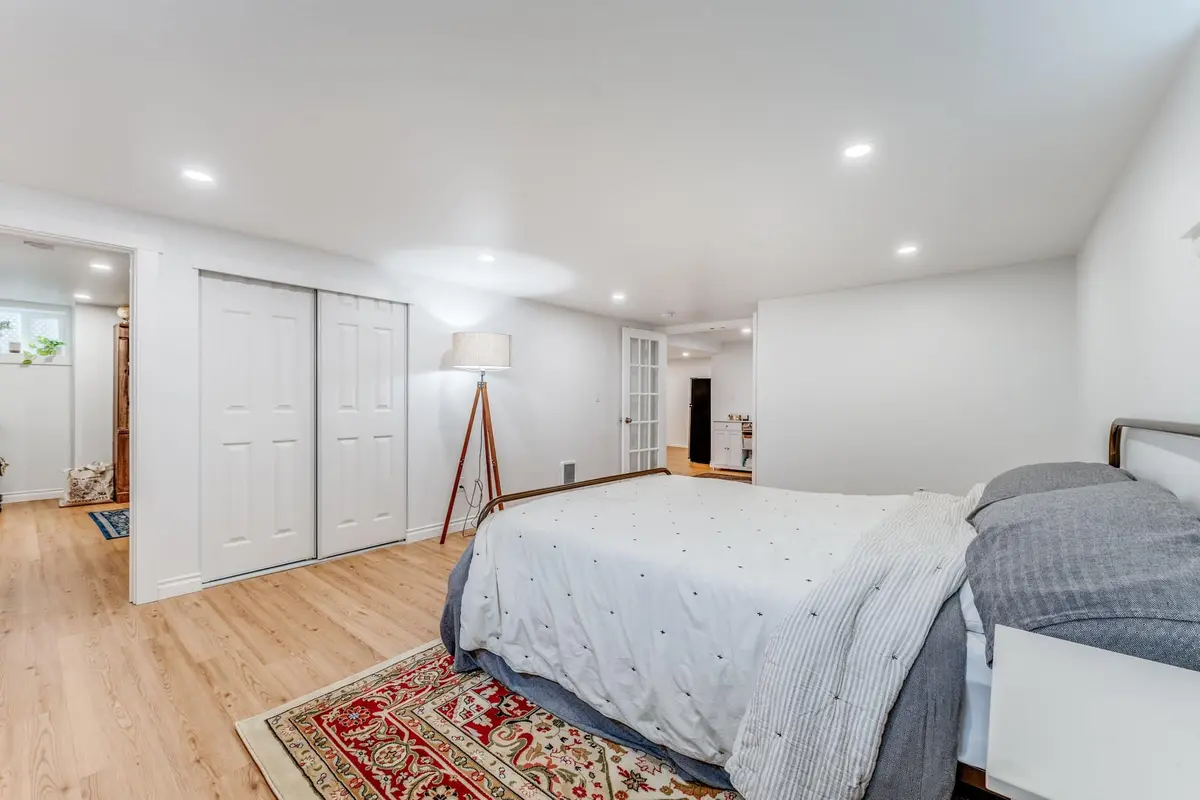
A finished basement can increase your property taxes.
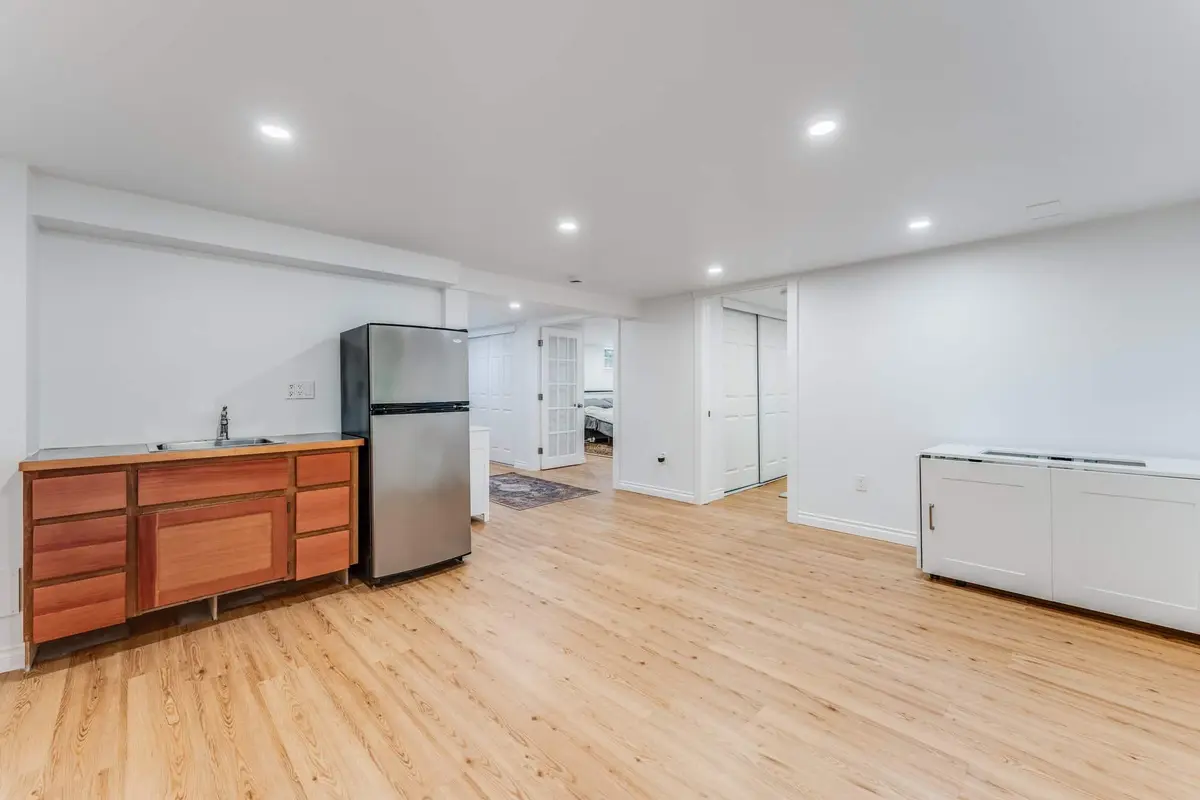
Spray foam insulation is hazardous mainly while it is sprayed and just after.
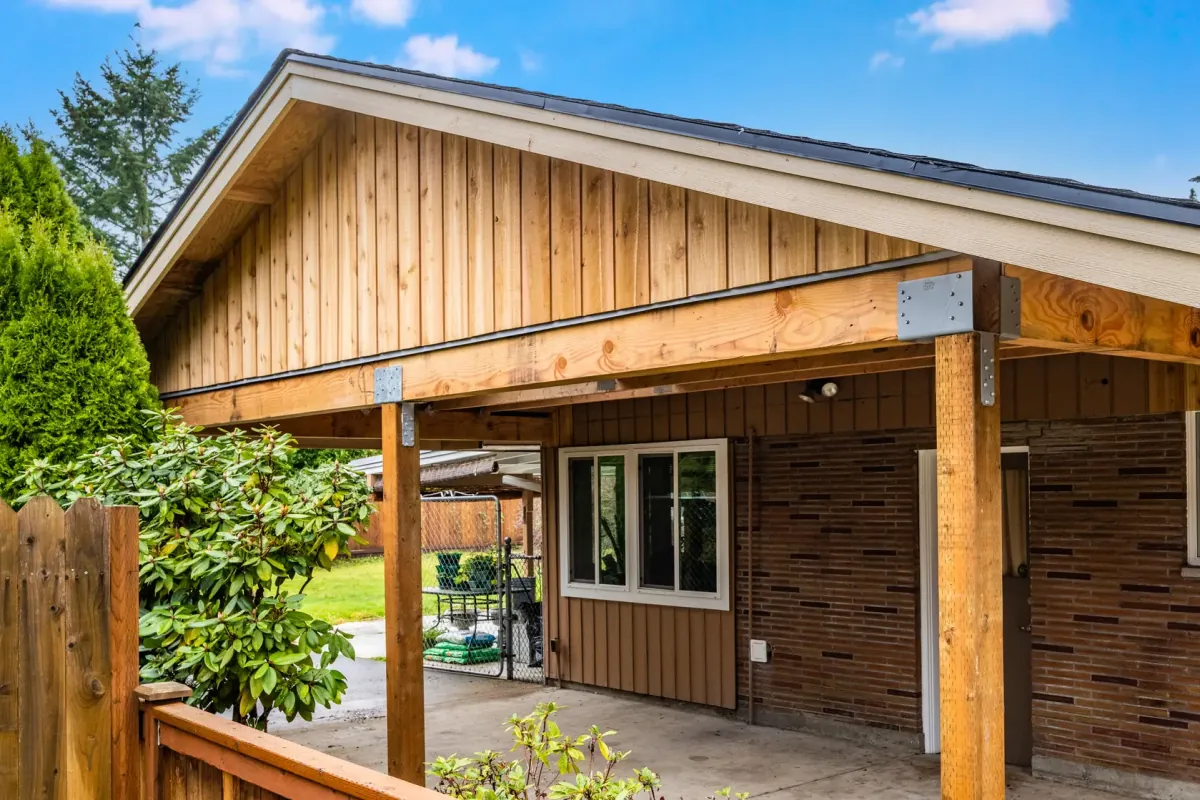
A radiant barrier is reflective aluminum foil stapled foil side down to the underside of the roof rafters or trusses, with gaps left at the ridge and soffits for ventilation.
Ceiling insulation causes problems mostly when it is installed wrong.
A five-piece bathroom (5-piece bath) is a bathroom with five plumbing fixtures: two sinks, a toilet, a bathtub and a separate shower.
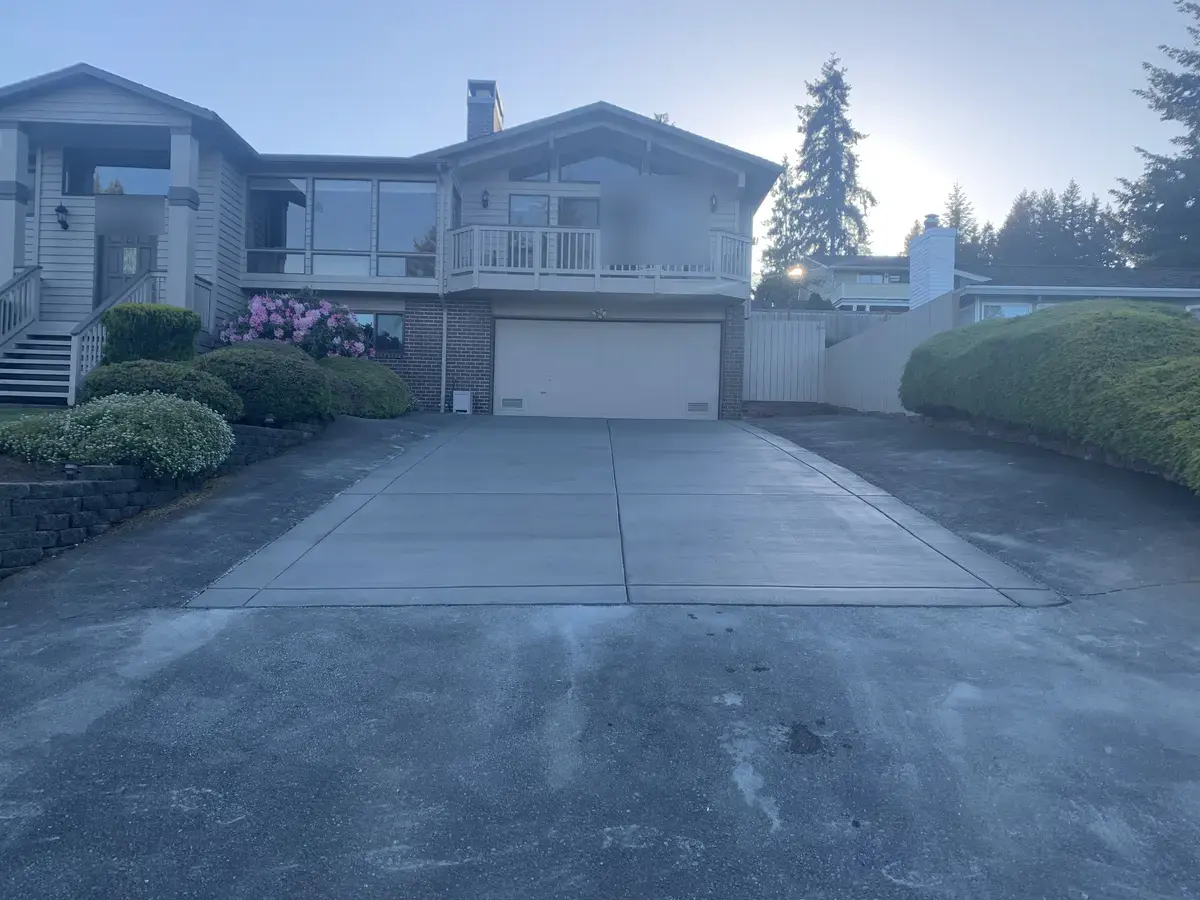
Insulating a garage takes six steps: clear the walls, seal the gaps, fit insulation between the wall studs, insulate the ceiling, cover it all with drywall and insulate the door.
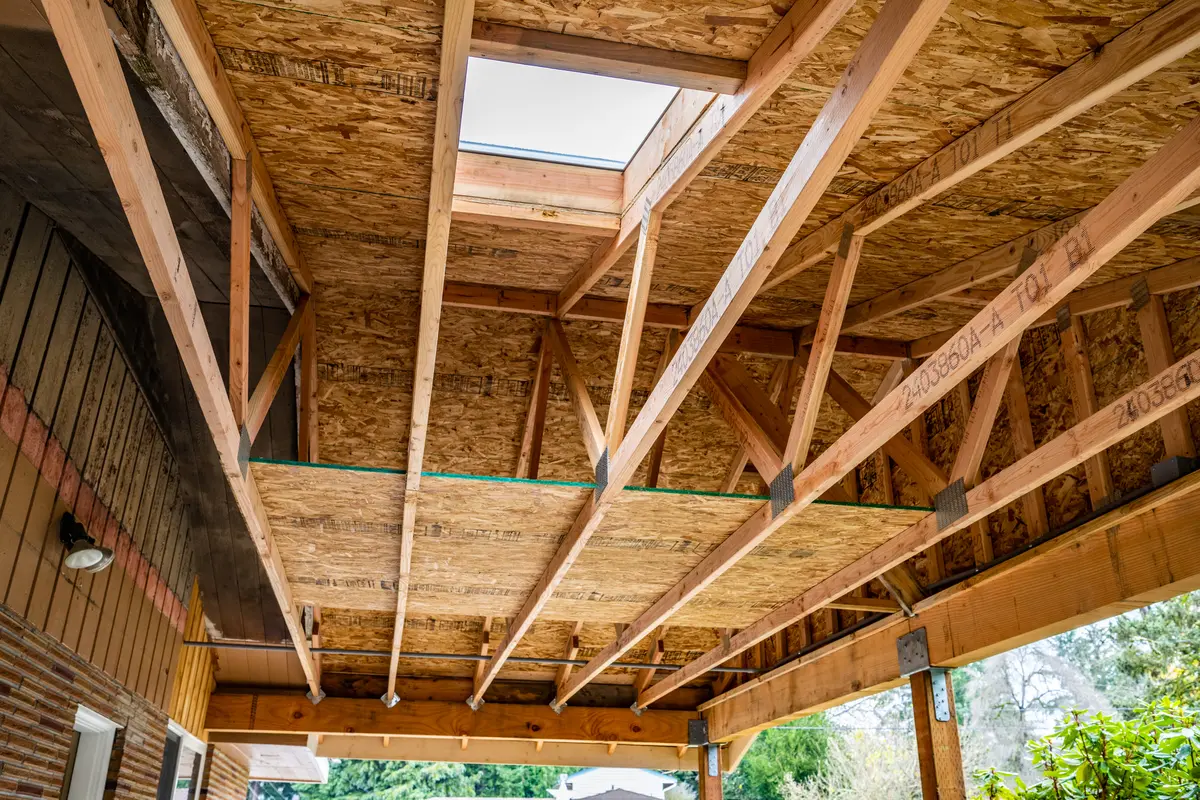
Yes. Installing attic insulation yourself is a reasonable job in a simple attic: open, dry, easy to reach, with sound insulation to top up.
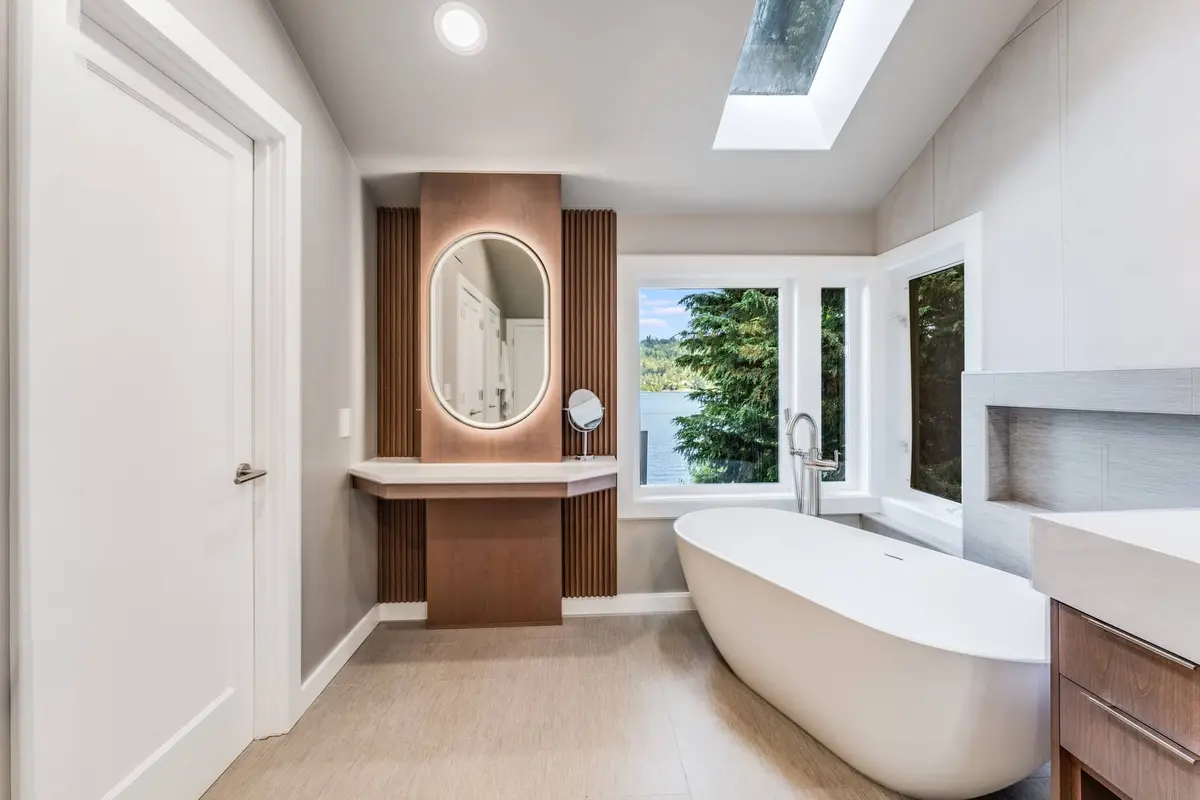
A bathroom does not need a window. The 2021 International Residential Code accepts a light and an exhaust fan in place of one (R303.3).
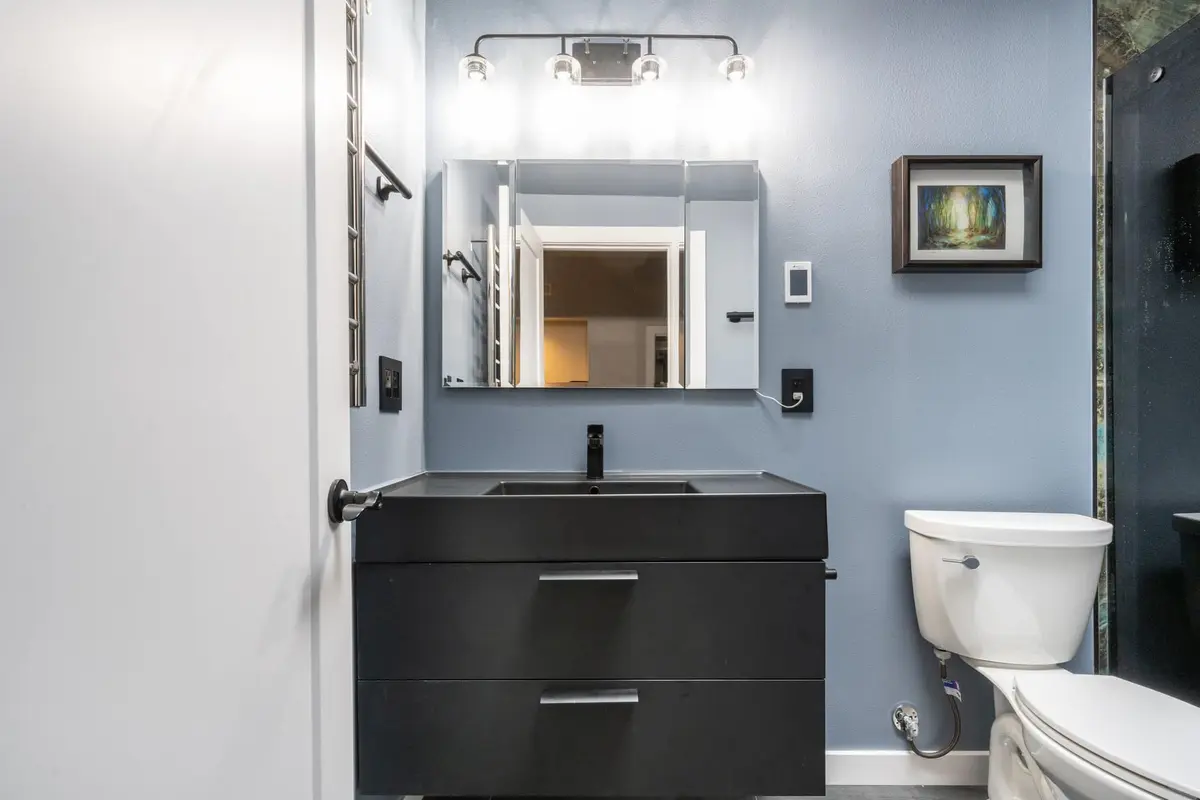
Peel and stick wallpaper works in a bathroom only on walls that stay dry: a powder room, or walls away from the shower and tub with a working fan.
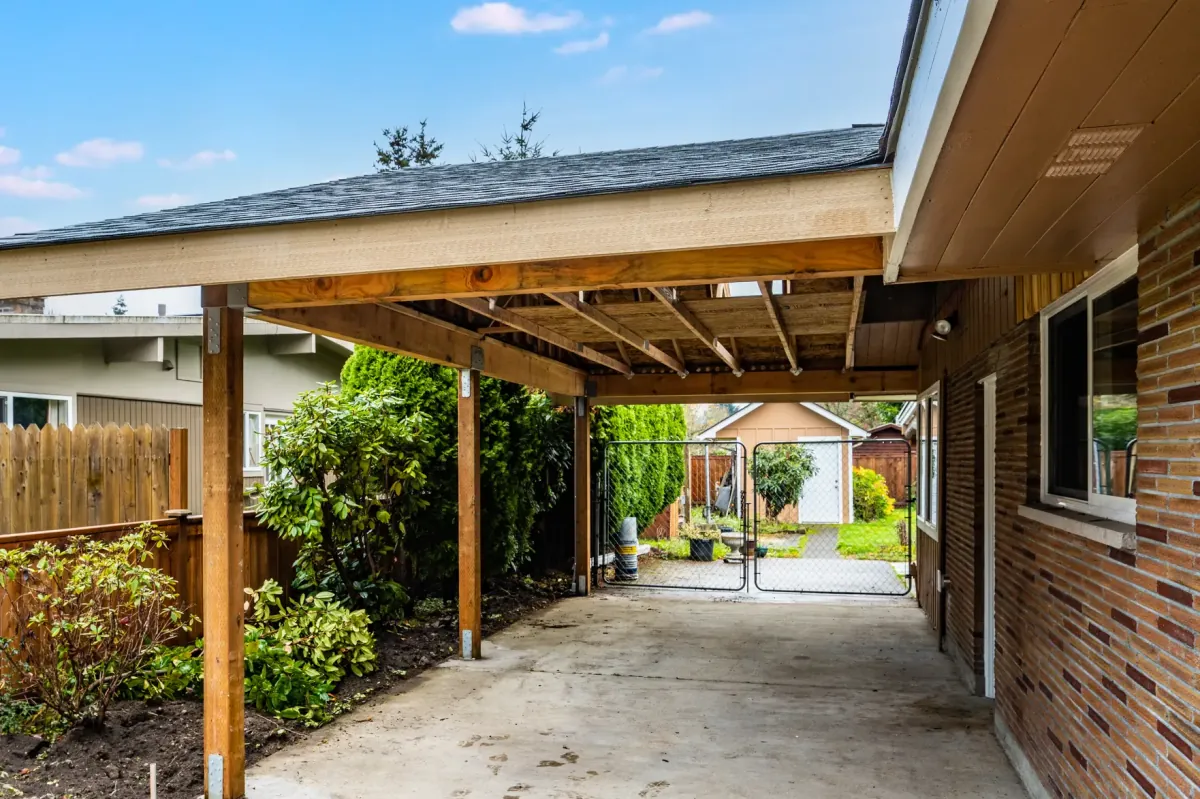
Building a carport is setting posts on footings, framing a roof over a parking slab and leaving at least two sides open.
Attic insulation costs $5,000+ for an attic up to 1,500 sq ft in the Greater Seattle area, for a blown in top up with air sealing.
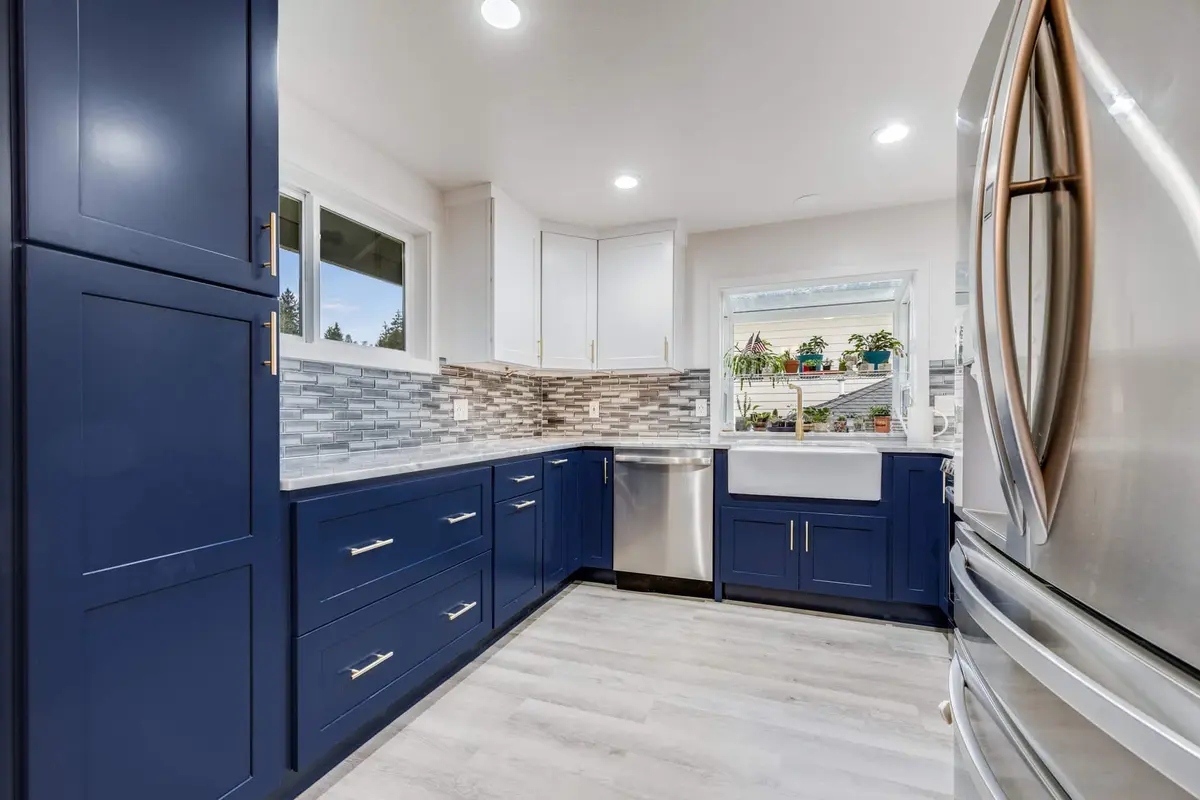
A kitchen soffit is the boxed-in section between the top of the upper cabinets and the ceiling.
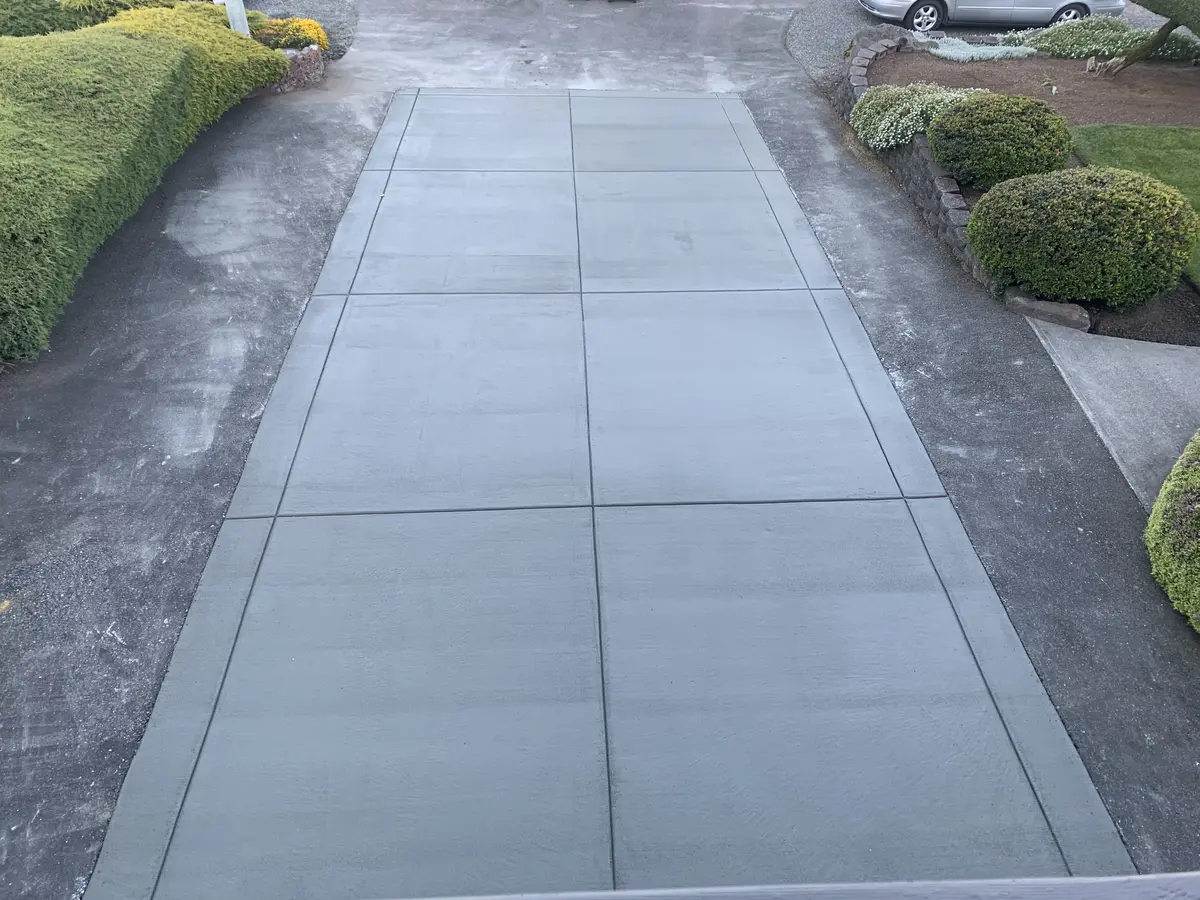
An epoxy garage floor costs $2 to $12 per square foot installed, or $1,500 to $6,000 for a 500 square foot two car garage, according to Angi's epoxy flooring cost guide, updated August 2026.
A kid-friendly basement playroom is a permitted, finished room with a ceiling of at least 7 feet under Seattle code, a floor that handles damp, storage anchored to the wall, even light and sound control overhead.
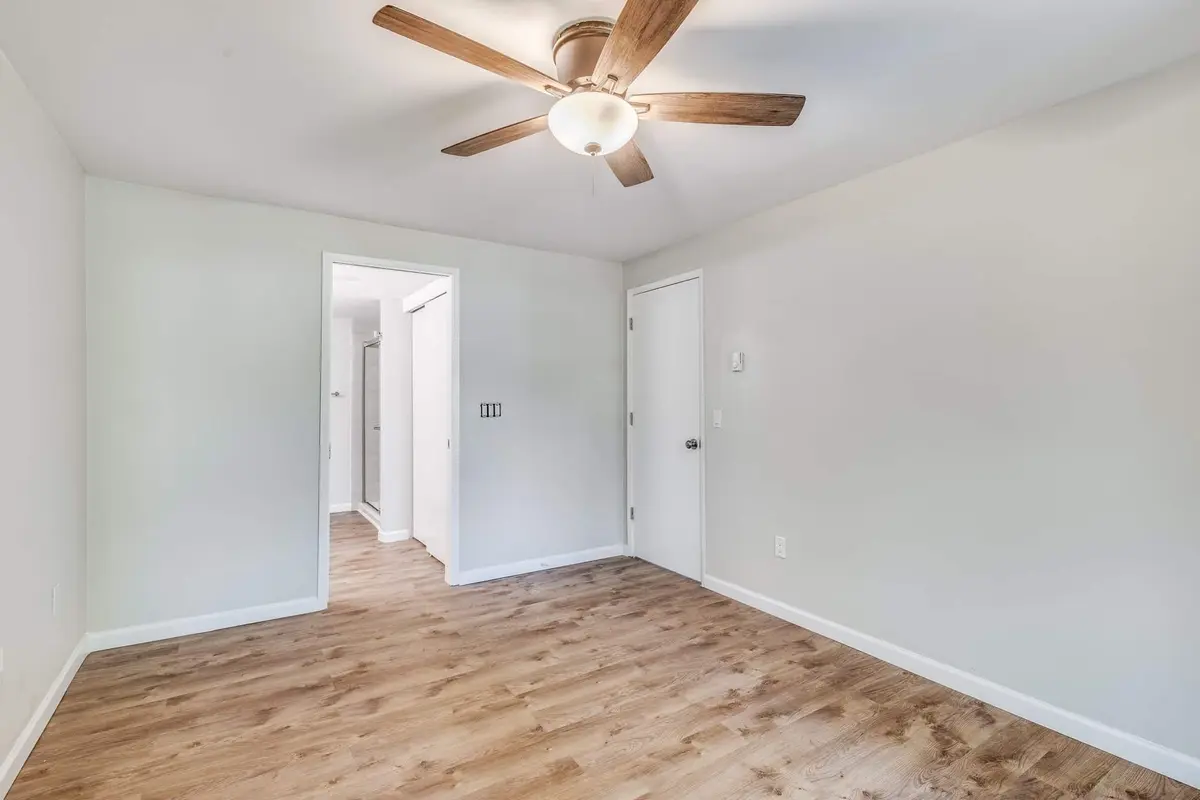
An energy efficient Seattle area home is one that holds its heat.
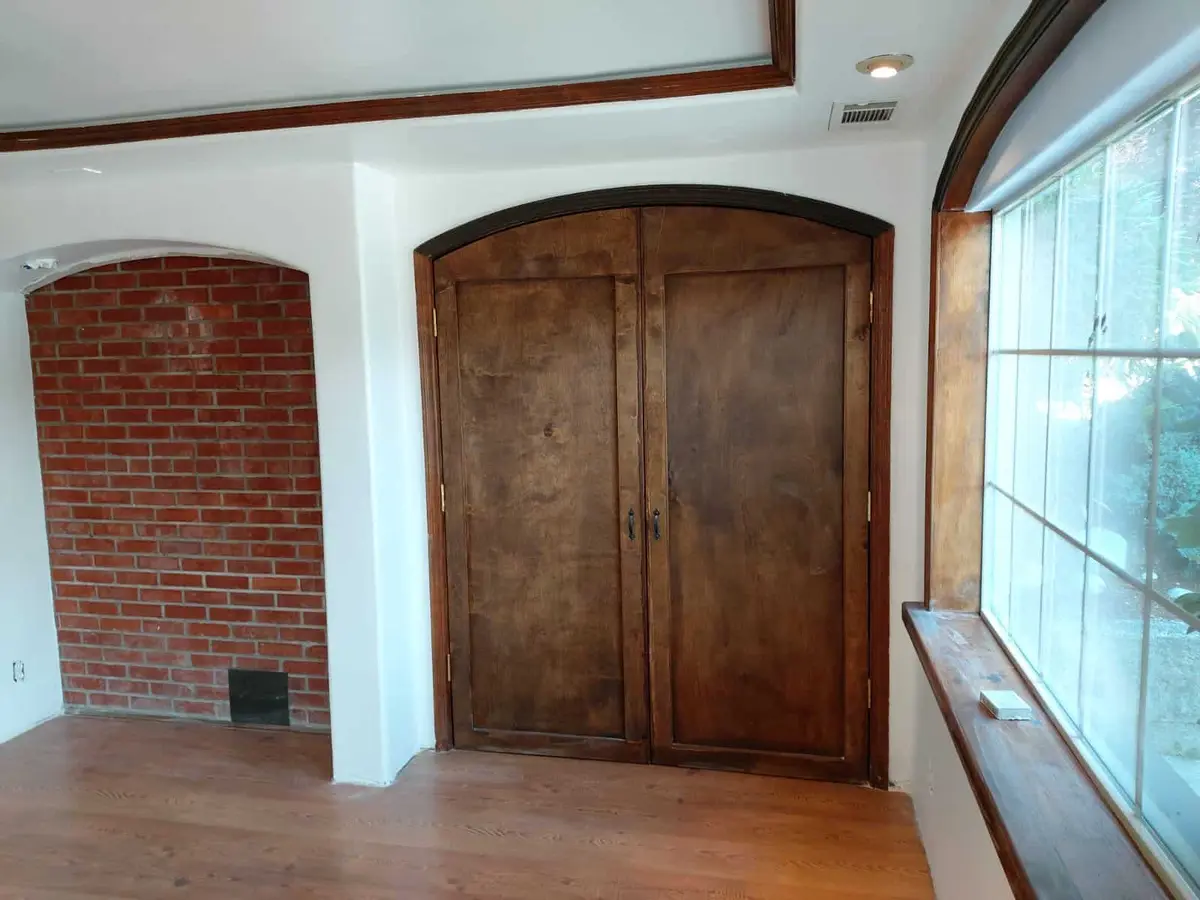
The main types of wall trim and molding are baseboard, door and window casing, crown molding, chair rail, picture rail, wainscoting with beadboard or raised panels, and picture frame molding.
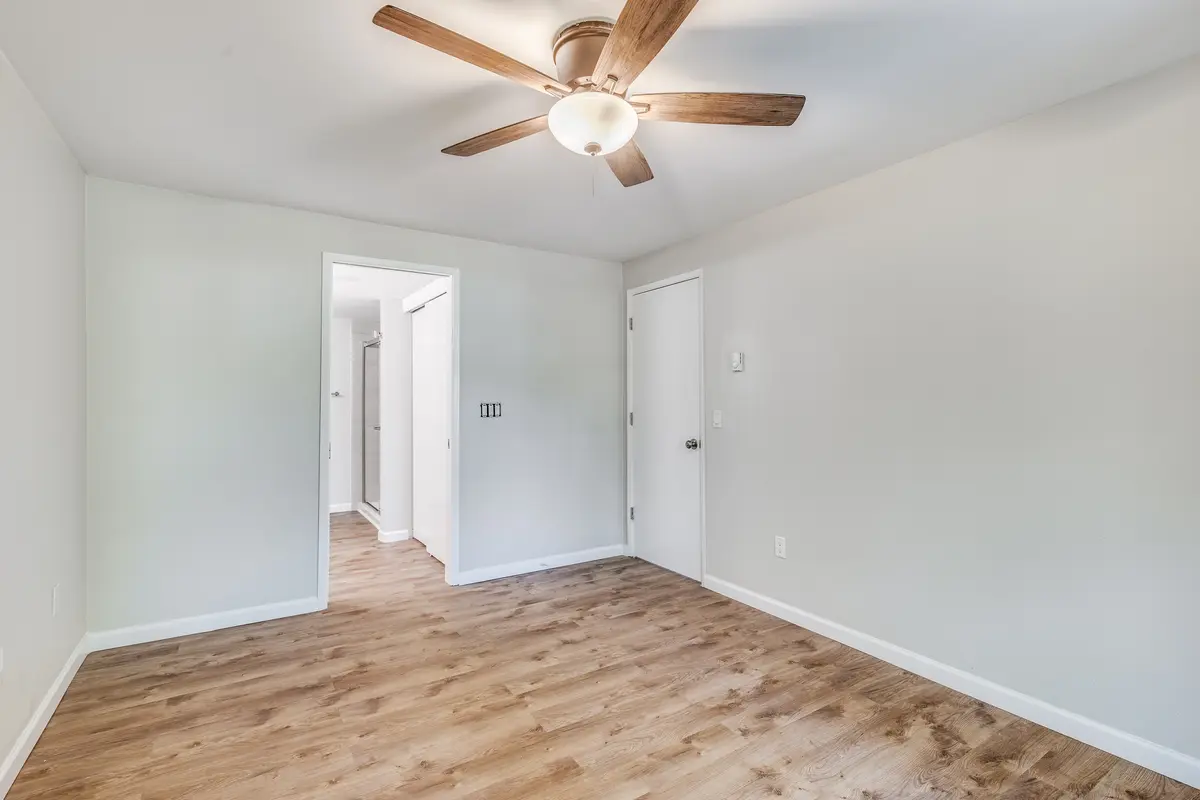
Replacing carpet with a new floor in the Seattle area costs $10,000+ for one or two rooms (up to 400 sq ft), $18,000+ for a main floor or condo and $30,000+ for a whole house with stairs.
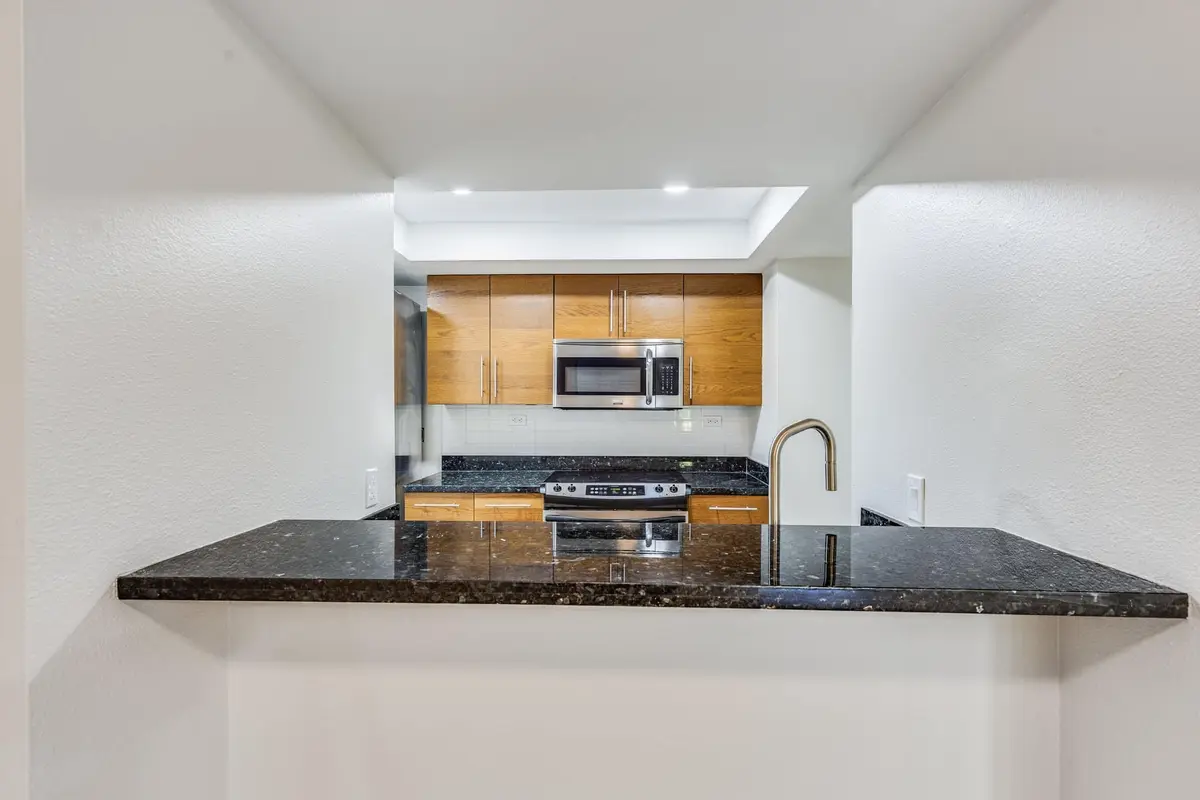
The cost to build a house in Seattle is set by the lot, so we price a tear down and rebuild after a site visit.
Planning a major home renovation is seven steps done in order.
The top bathroom remodeling trends for 2026 are bigger walk-in showers in place of tubs, low-curb and curbless showers, light neutral colors with wood vanities, large format floor tile, double vanities with built-in storage and layered lighting. 49% of renovating homeowners enlarged the shower in the 2026 U.S. Houzz Bathroom Trends Study (2026). We build them around Seattle.
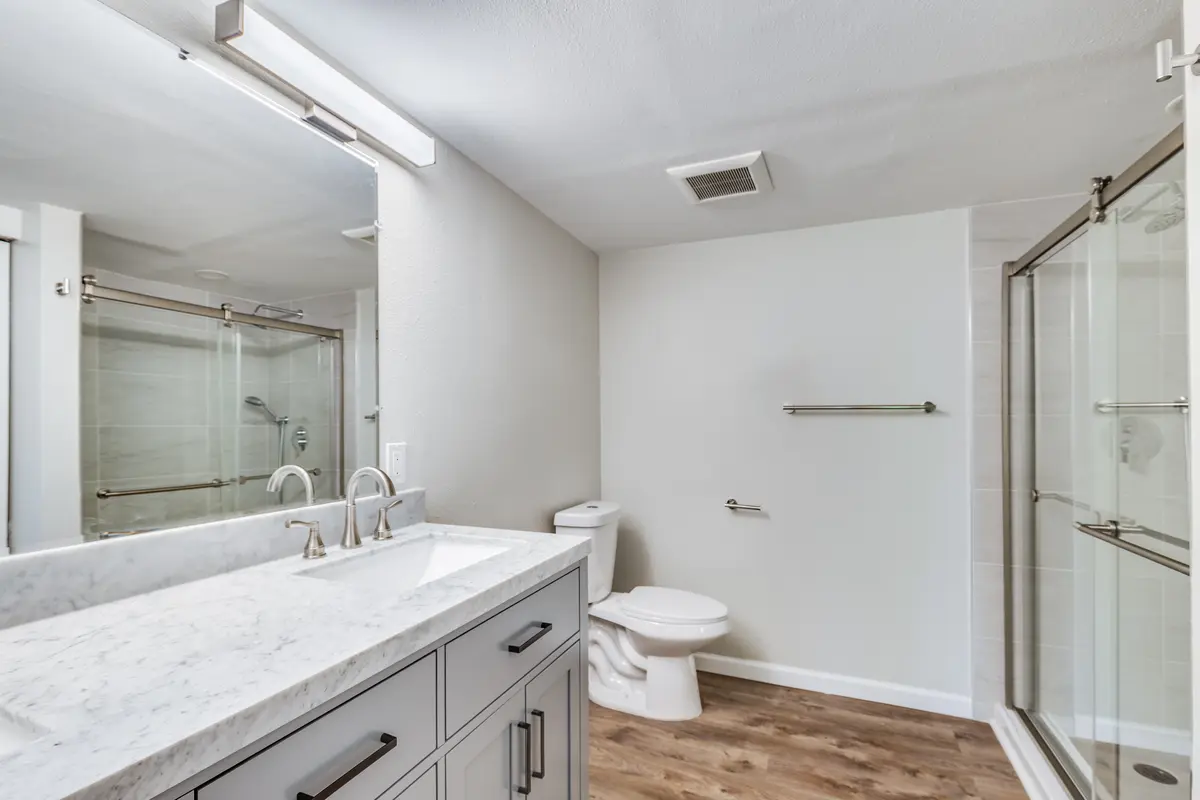
A 5x8 bathroom remodel took about 9 weeks on our Seattle job and about 13 weeks in a Kirkland condo, counted on site after design and permits.
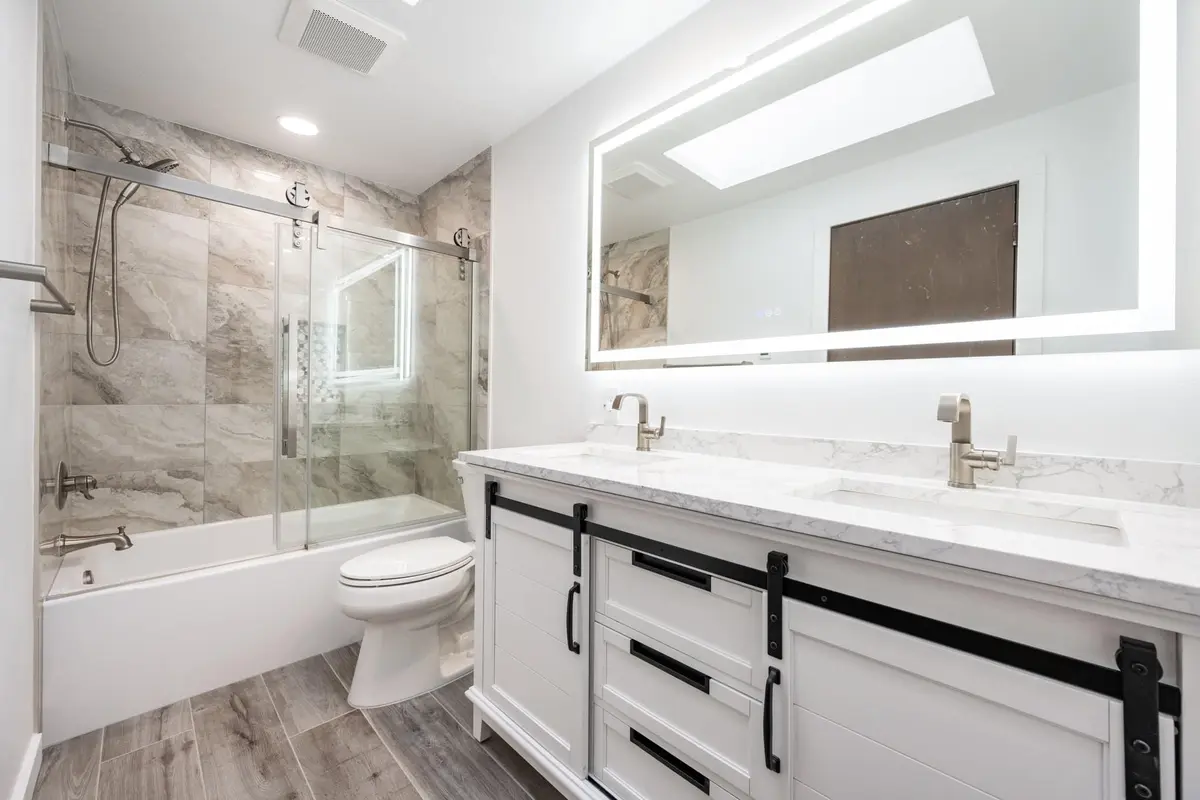
Planning a bathroom remodel in Seattle is six steps in order: set your goals and budget, find the room's size class, settle the layout, choose the finishes, get the permits, then set the schedule.
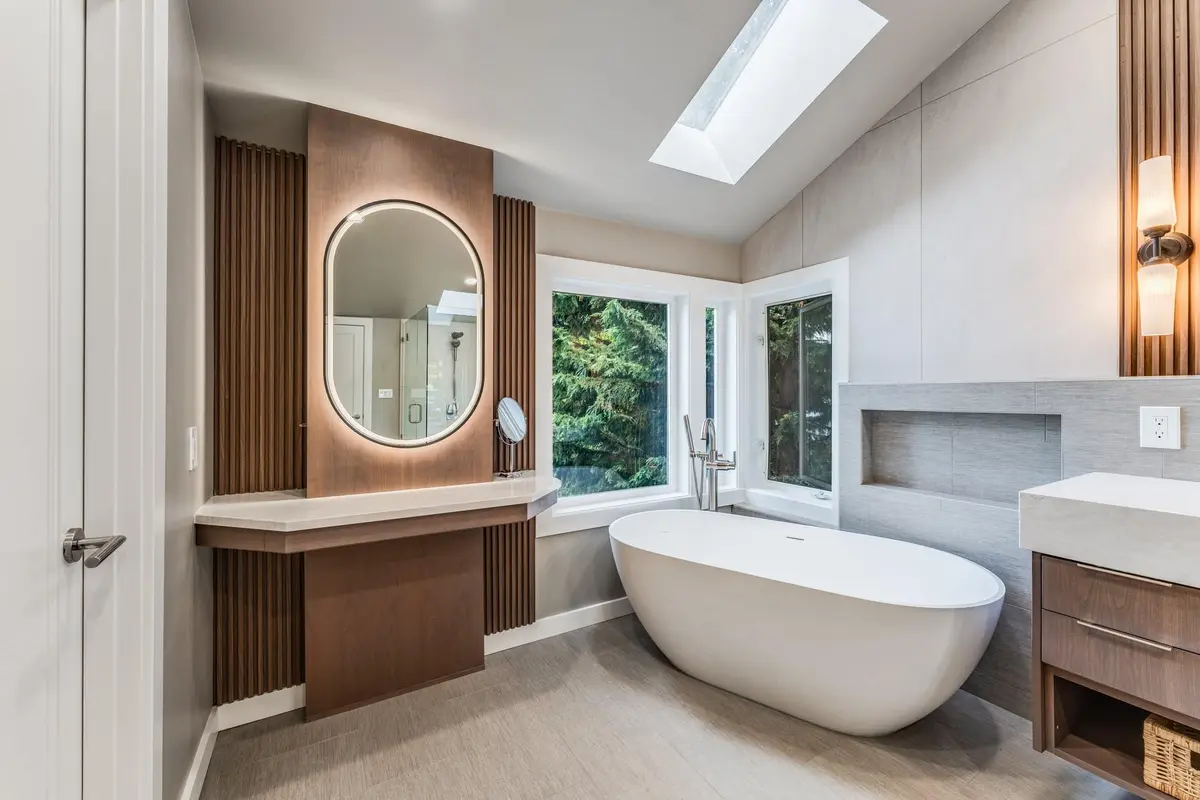
A Jacuzzi bath remodel costs what the bathroom around the tub costs.
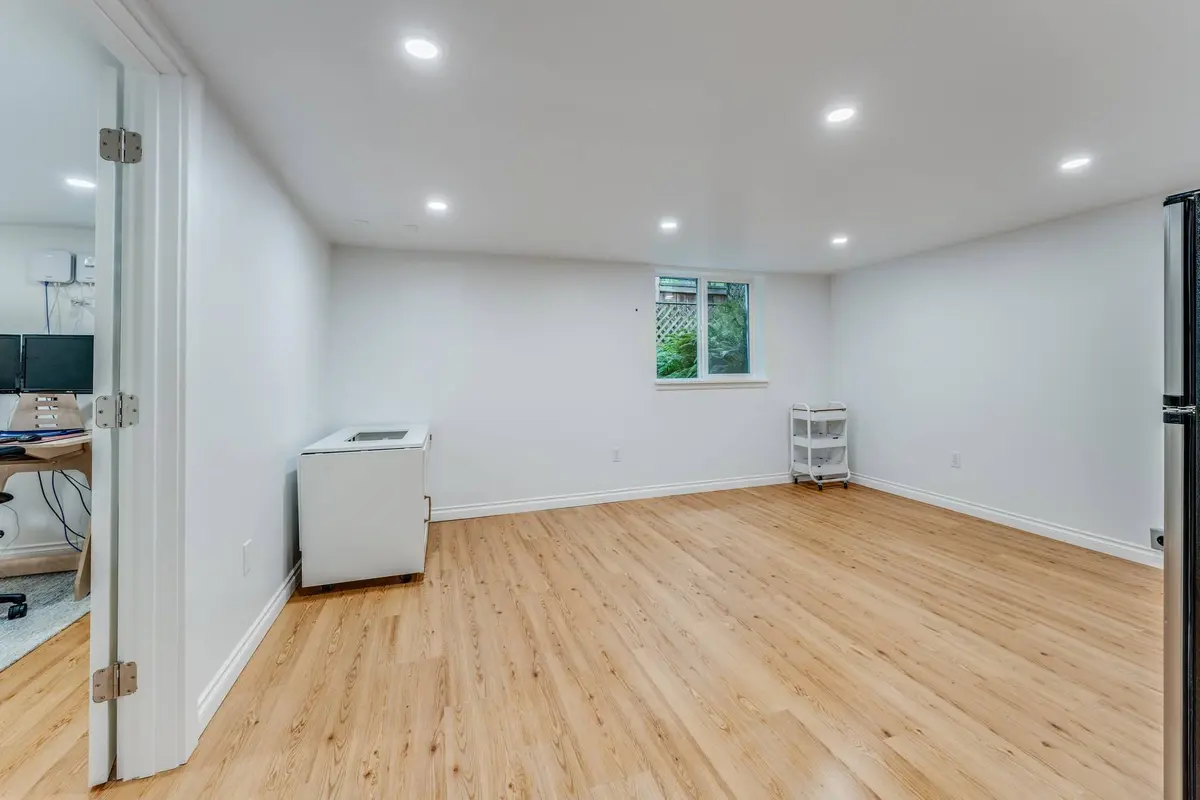
An ADU in the Greater Seattle Area costs $150,000+ for a garage or basement conversion, $250,000+ for an attached ADU, $325,000+ for a 300 to 600 sq ft backyard DADU and $425,000+ for a 600 to 1,000 sq ft DADU, at Volcano Builders' Basic finish level. Design, permit fees and utility connections are priced separately.
A full home remodel in the Greater Seattle Area costs $125,000+ for a condo, $200,000+ for a whole home refresh that keeps the layout, $300,000+ with layout changes and $500,000+ for a gut renovation, at our October 2026 starting prices. Our own finished whole home jobs cost about $150,000 to $220,000 between 2022 and 2024.
Reviving an old basement concrete floor is a repair and refinish job.
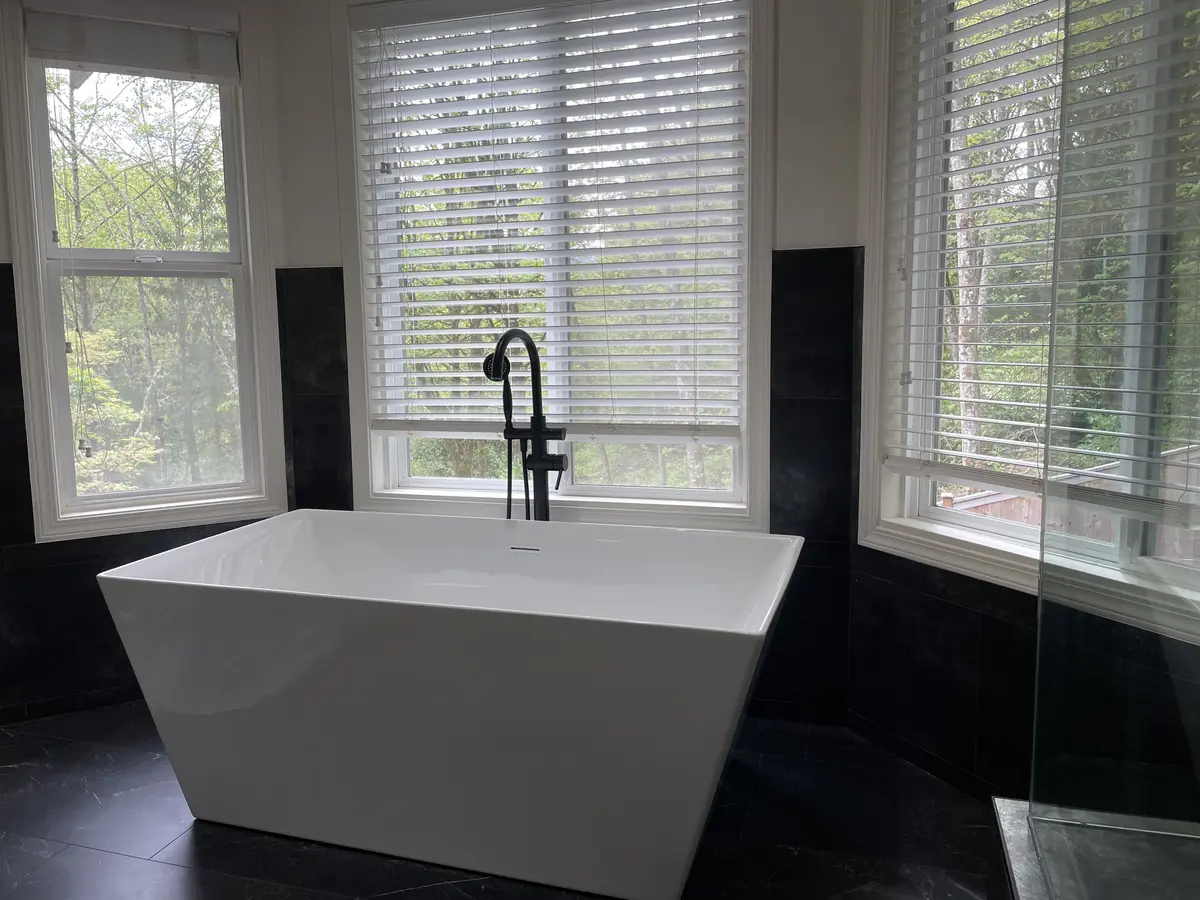
A soaking tub is a deep tub with no jets, holding about 14 to 18 inches of water.
The materials that last in the Pacific Northwest climate are the ones that shed water and dry out: fiber cement or cedar siding over a water-resistive barrier, double pane windows rated U-0.30 or lower, architectural shingles or standing seam metal, composite or cedar decking on sound framing, waterproofed tile showers and vinyl plank or tile floors.
A 10x10 kitchen remodel in the Seattle area starts at $35,000+ when the cabinets and layout stay, and at $60,000+ when everything in the room is new.
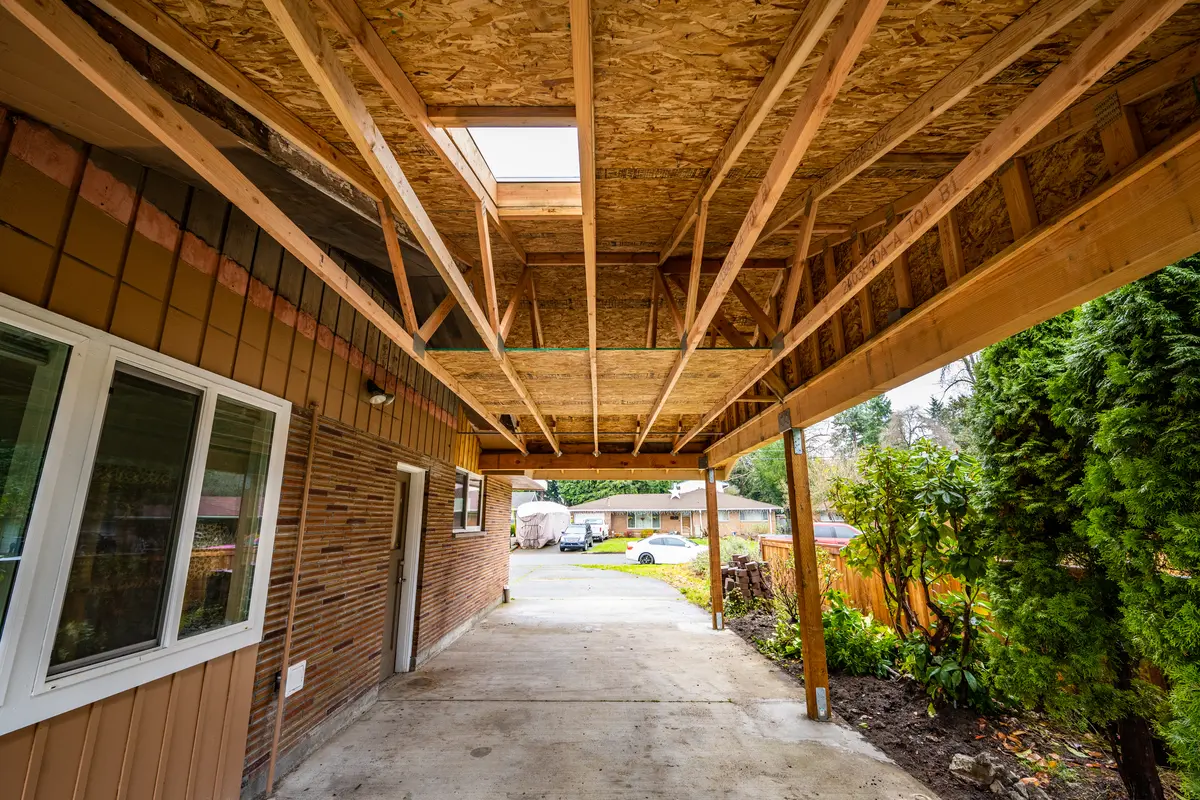
An outdoor kitchen design is a layout plus the services behind it.
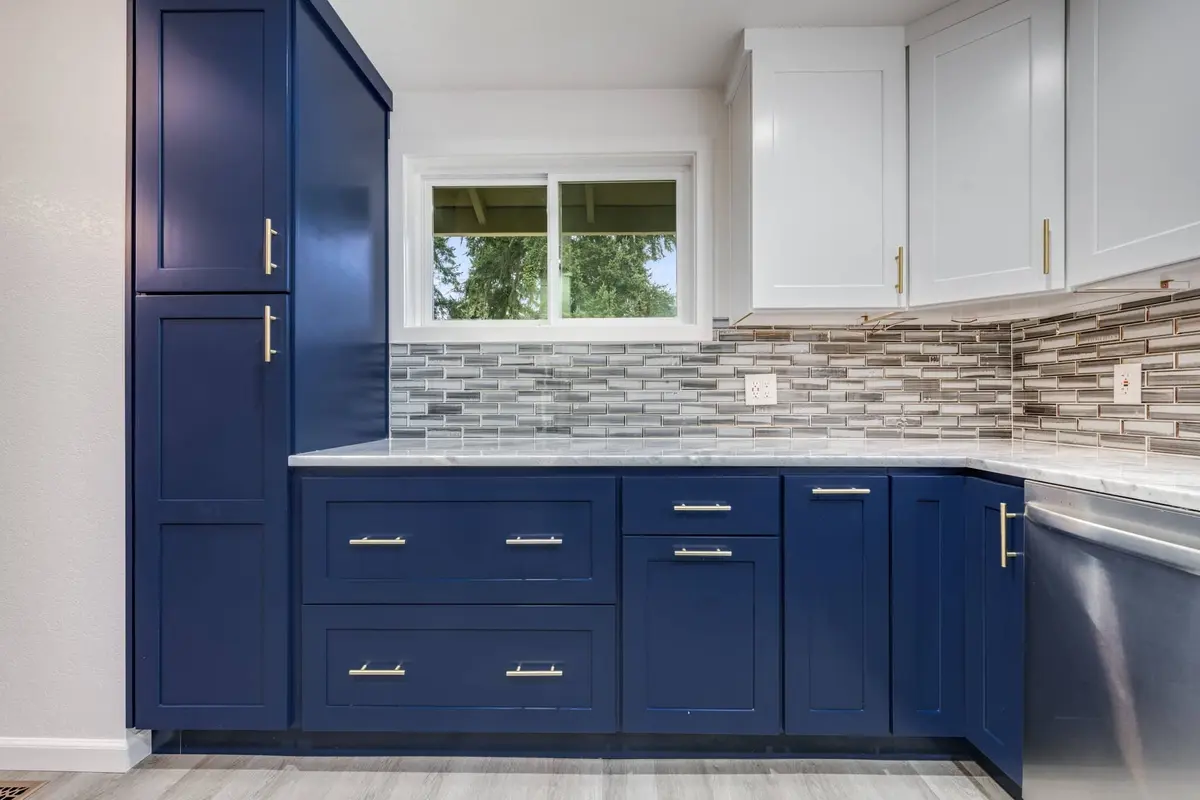
Refacing is the cheaper choice when the boxes are solid and dry and the layout works.
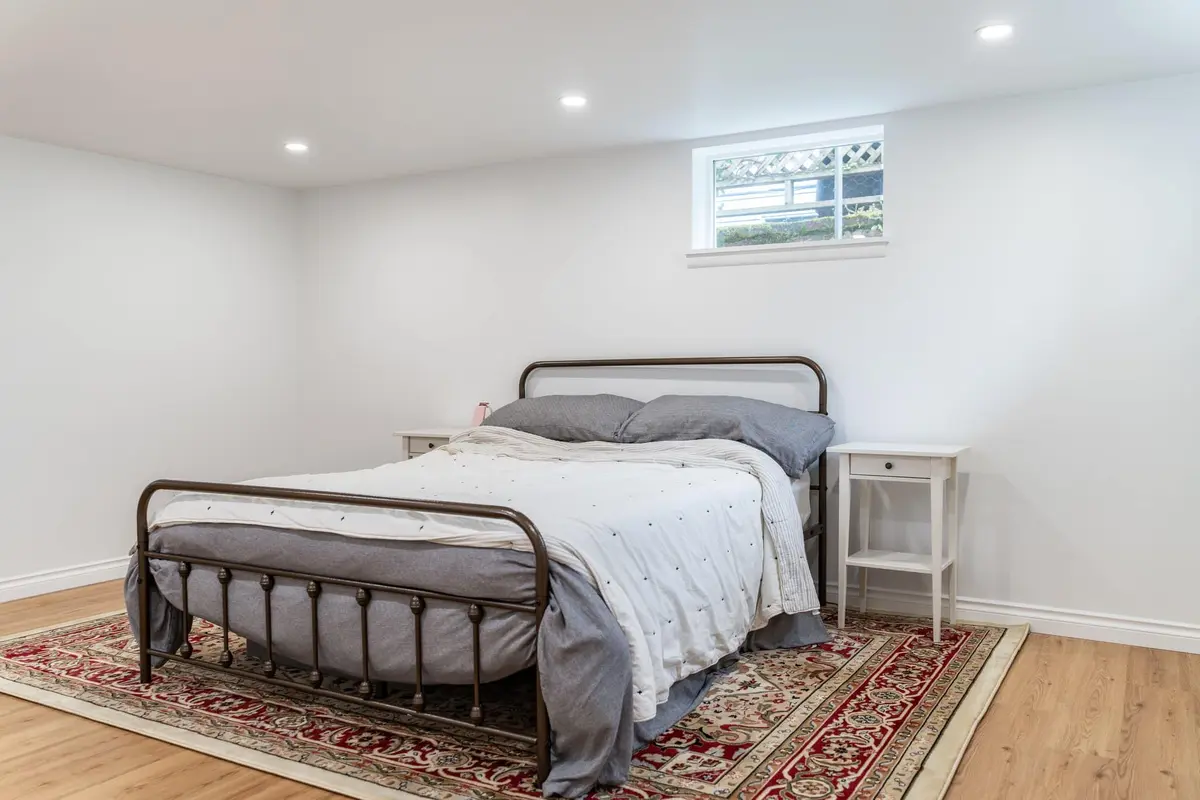
Turning an unfinished basement into living space in Seattle requires a building permit and a set of code minimums: a 7 foot ceiling, rooms of at least 70 square feet, window glass or electric light averaging 6 footcandles, permanent heat to 68°F, insulated walls, smoke and carbon monoxide alarms, and an escape opening in every new bedroom.
Converting a 3 season room to a 4 season room is a remodel that needs a building permit.
A ranch house addition is one of three projects: a single story wing built out on a new foundation, a second story built on top of the house, or an attic, basement or garage converted inside the shell.
Finishing basement walls is a five-step job: confirm the concrete is dry, insulate and frame the wall, rough in wiring, pass the frame and insulation inspections, then hang and finish drywall.
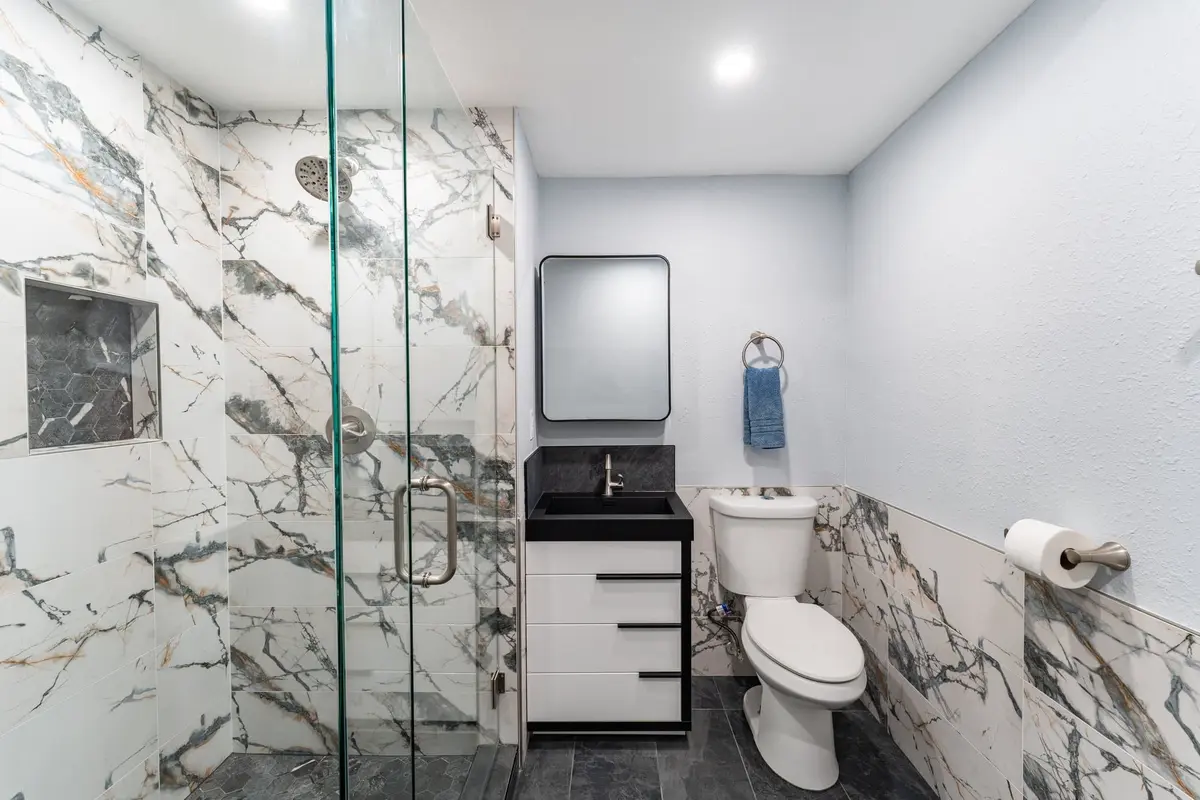
Shower wall finishes are the materials that line a shower: ceramic or porcelain tile, large format porcelain, stone or stone-look tile, stone slab, and solid surface or acrylic panels.
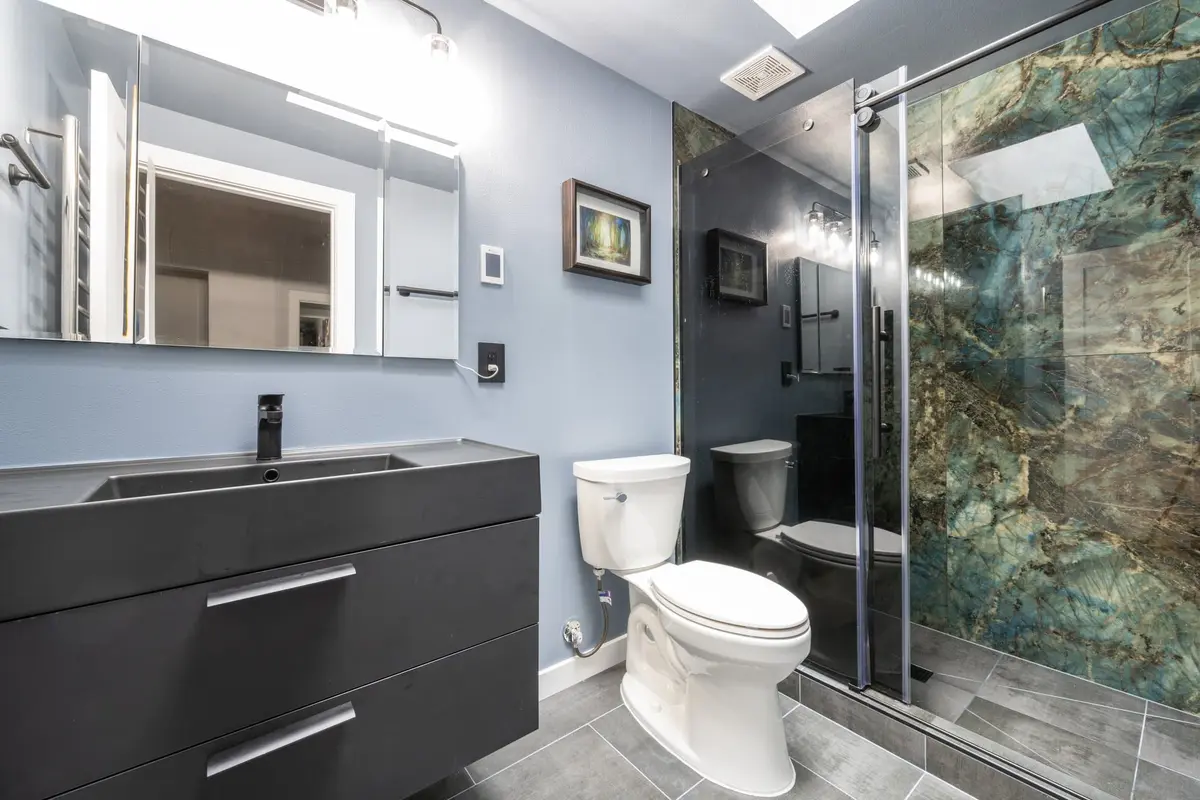
A small bathroom remodel is the rebuild of a bathroom of about 16 to 40 square feet to win back floor, storage and light.
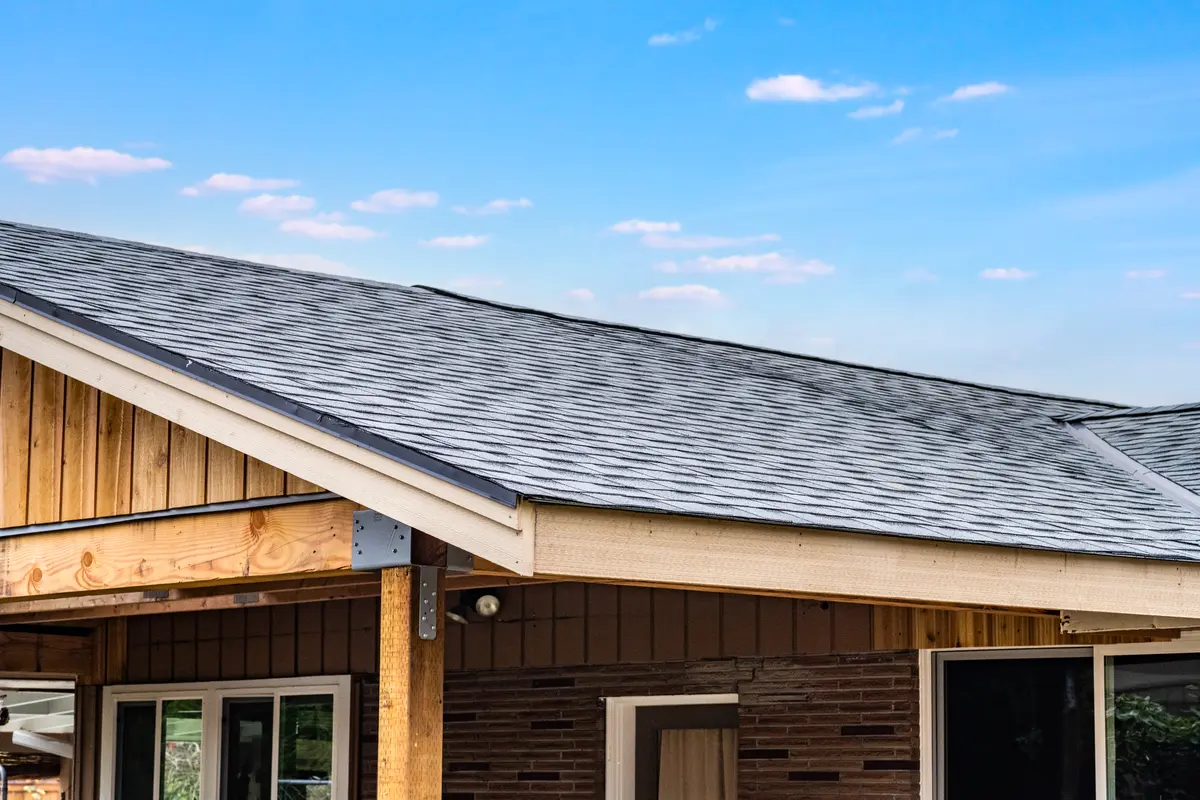
Roof planning before an addition or other remodel is four checks: how many layers the roof has, rafters or trusses, the new openings and vents, and the permit.
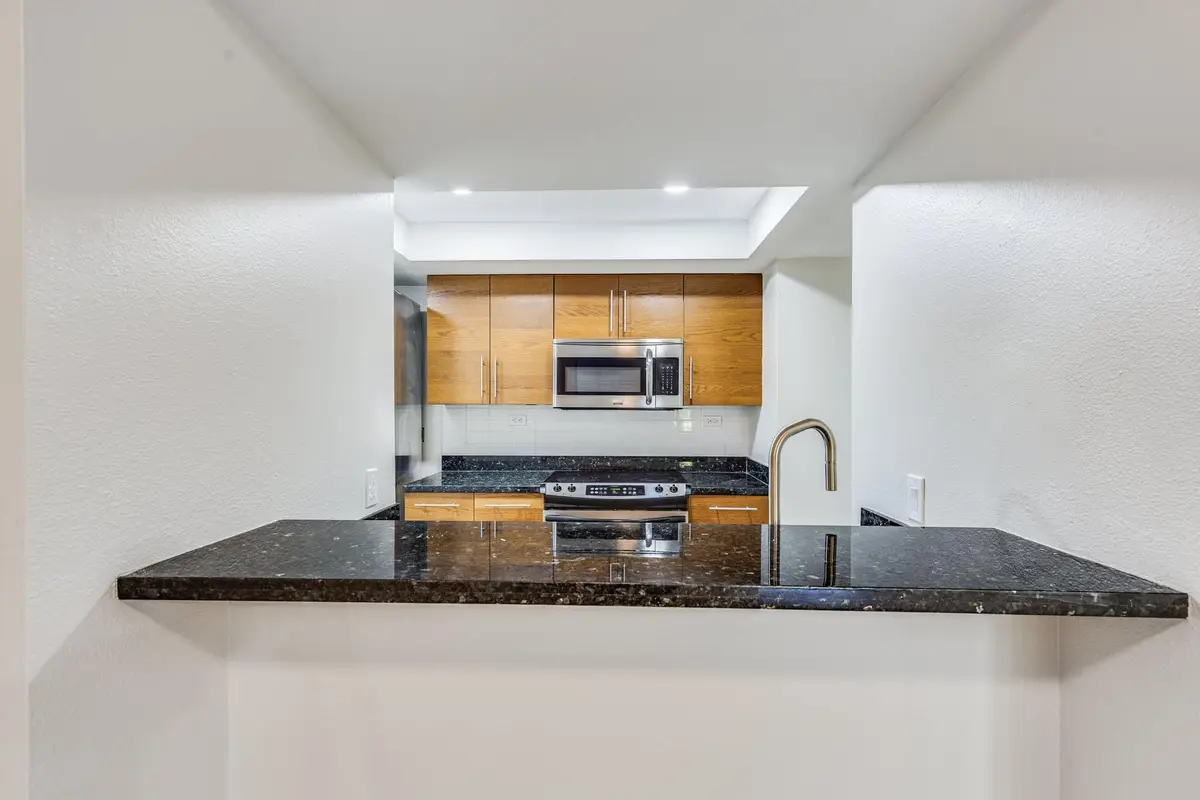
A split-level kitchen remodel is a kitchen renovation in a house with staggered floors.
Finding a good contractor takes four steps.
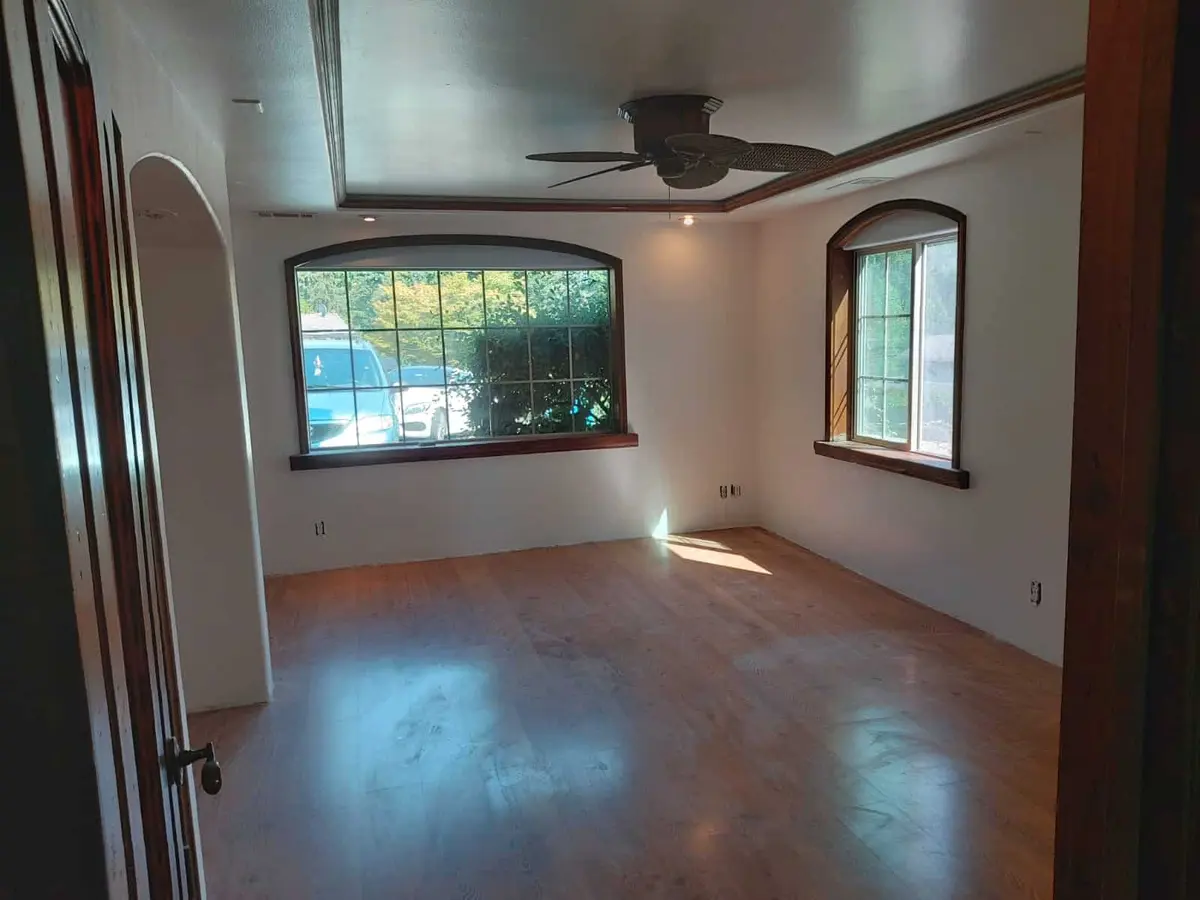
Seattle preservation surveys name the Craftsman bungalow, the Seattle box (American Foursquare), the Colonial Revival and the Tudor Revival among the city's pre-war houses.
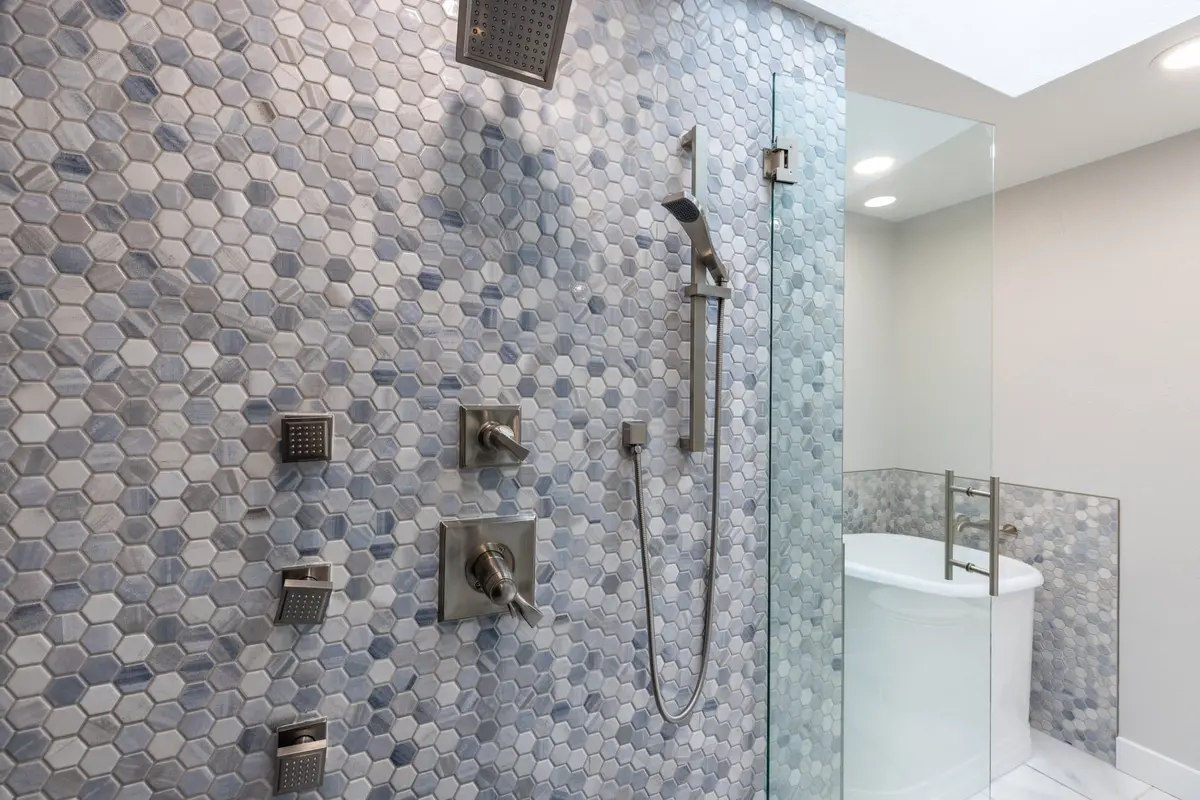
Choosing bathroom fixtures that work together is picking the vanity, sink, faucets, toilet, shower valve and head, tub, lighting and mirror as one set.
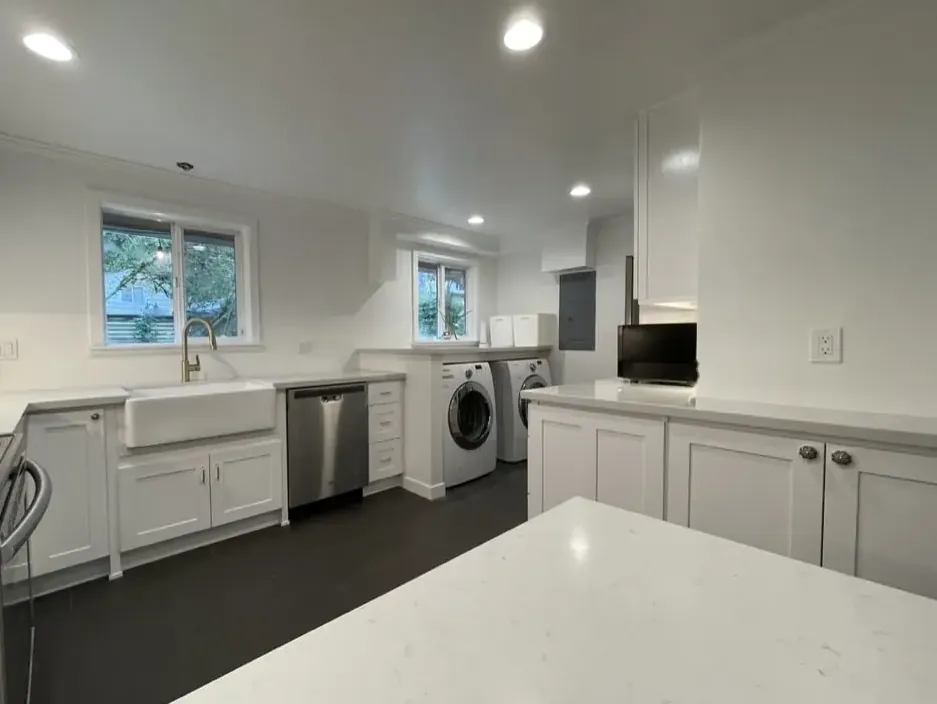
A kitchen needs a permit when plumbing, a gas line, wiring or a wall moves.
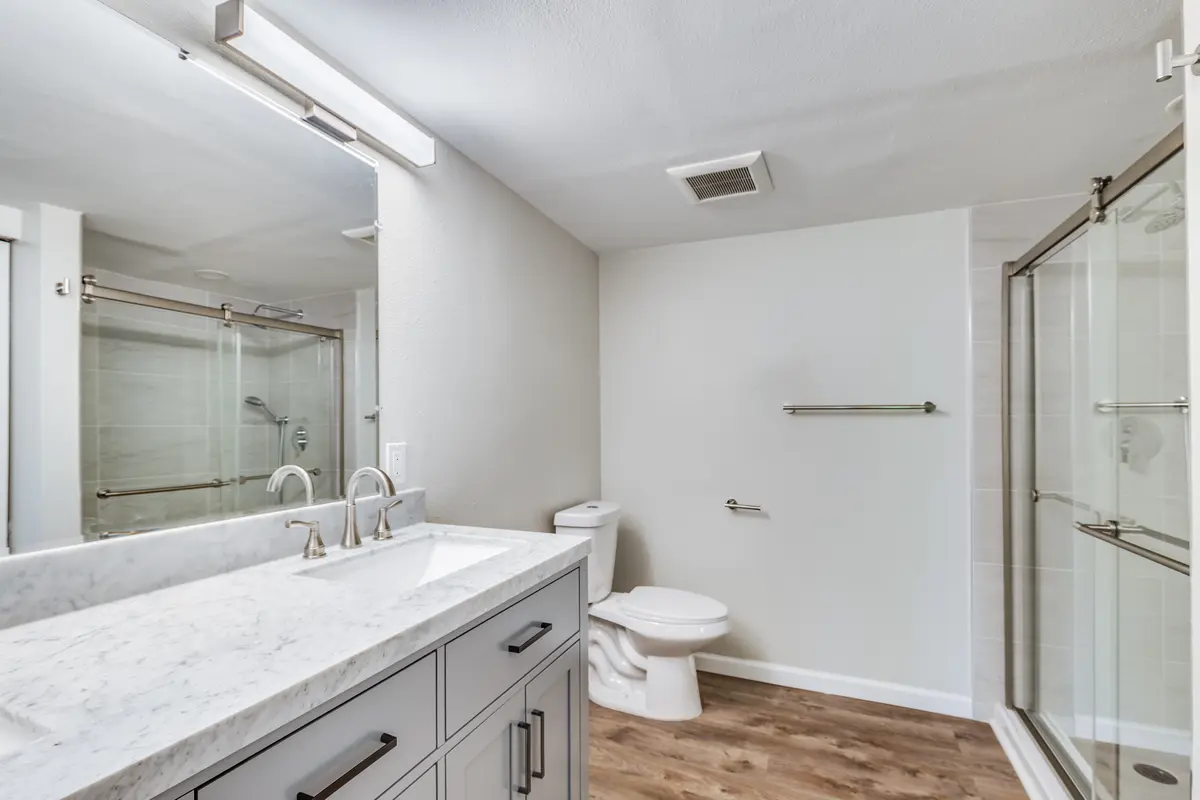
The main types of flooring for a home remodel are luxury vinyl plank, laminate, engineered wood, solid hardwood, porcelain or ceramic tile and carpet.
A bathroom remodel needs permits in Seattle, Bellevue and other King County cities once it moves or adds plumbing, wiring or walls.
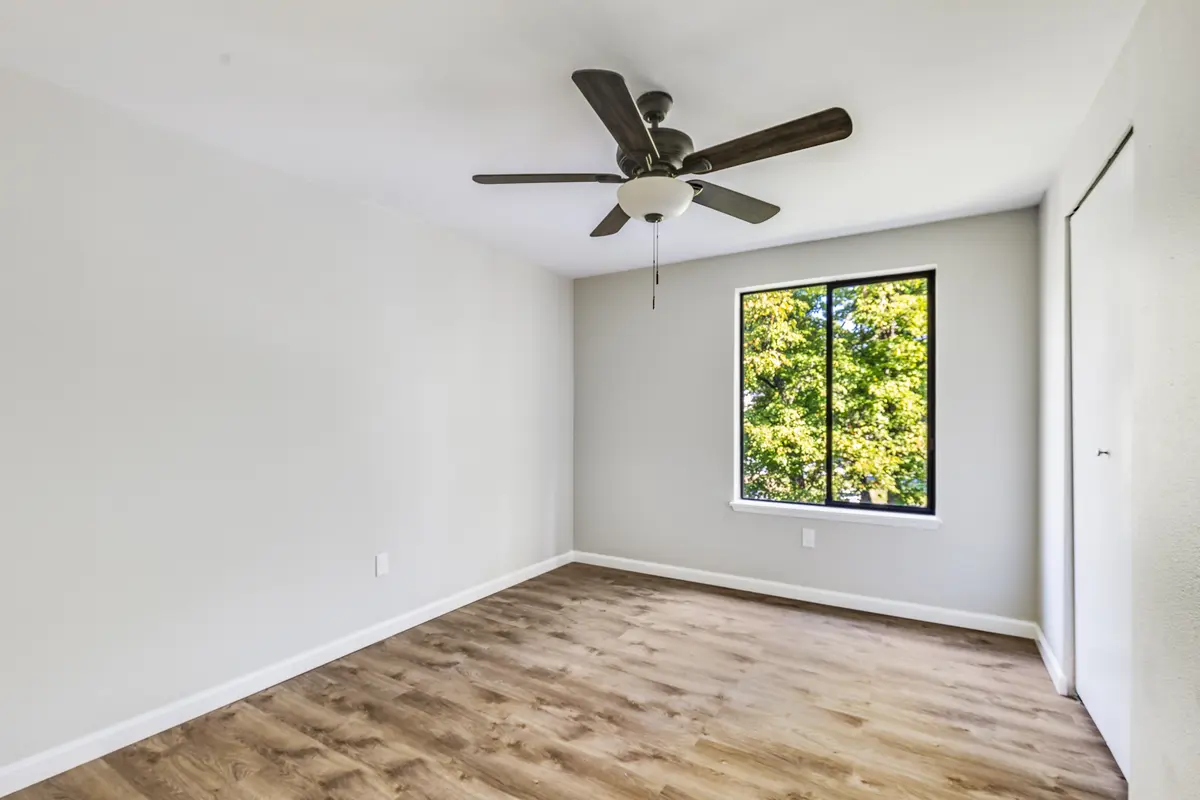
Eco-friendly flooring options are FSC certified wood, reclaimed wood, cork, bamboo and linoleum, plus any floor certified as low emitting by FloorScore or GREENGUARD.
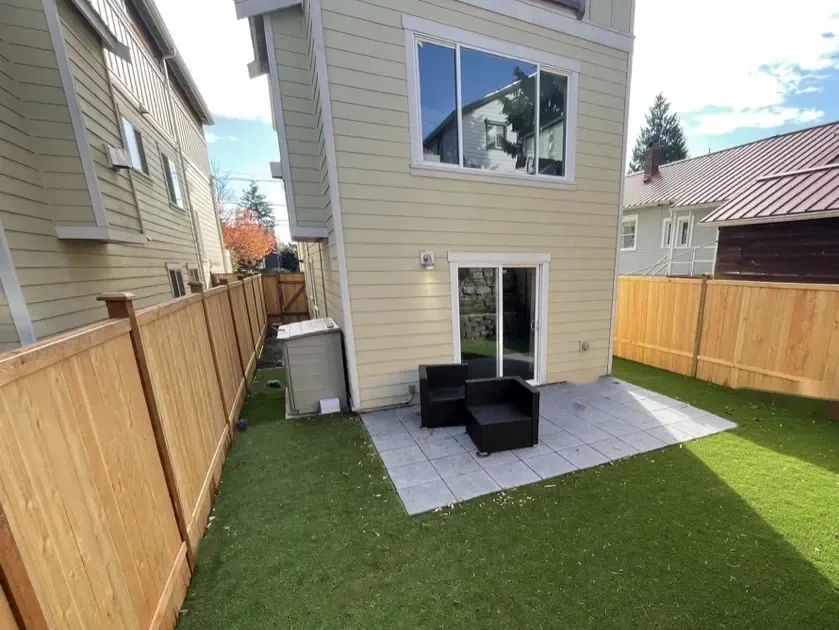
A new cedar fence in the Seattle area costs $8,000+ for a side yard fence and gate, $15,000+ for a backyard privacy fence and $25,000+ for a full perimeter at Volcano Builders' Basic tier.
A handicap accessible bathroom remodel is a rebuild that lets an older or disabled person using a wheelchair, walker or cane use every fixture safely and alone.
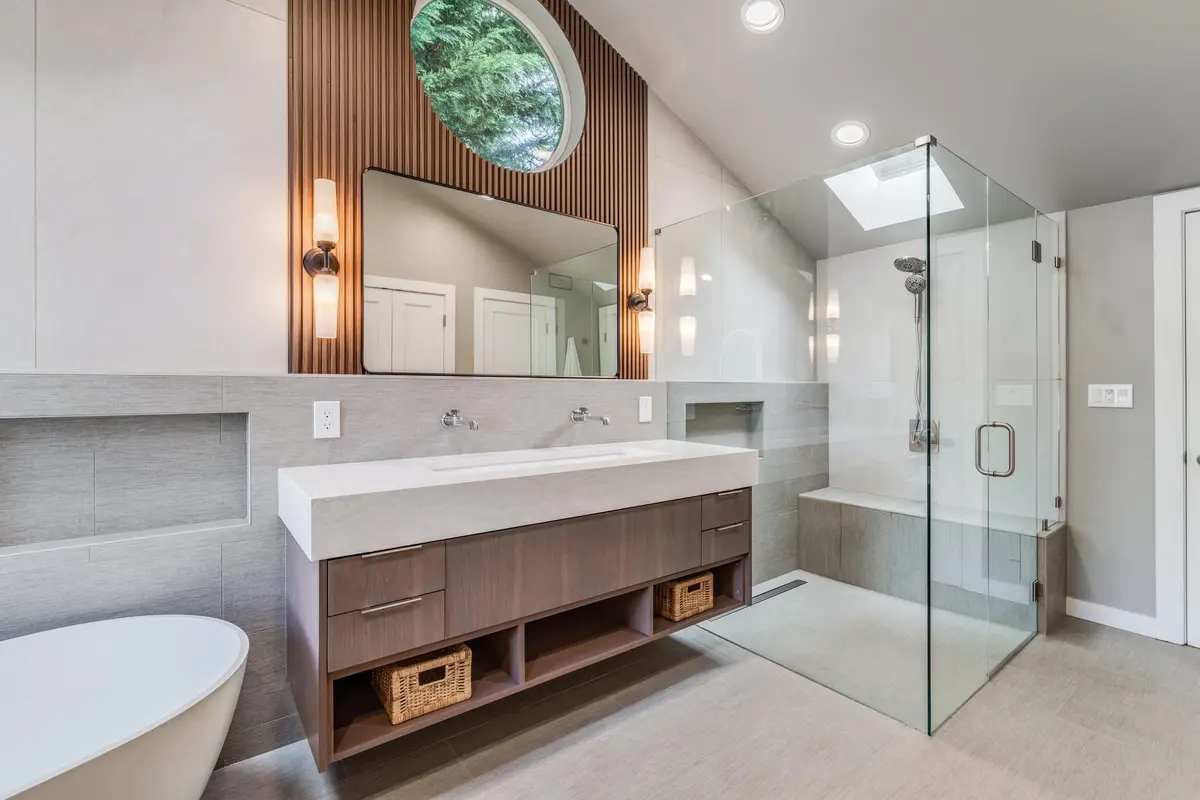
Interior design trends for 2026 are warm neutrals and soft whites, wood cabinets, larger walk-in showers in place of tubs, more built-in storage and statement lighting.
A kitchen remodel checklist is nine steps in this order: set the budget and scope, plan the layout, choose cabinets and counters, pick appliances, plan lighting and electrical, plan plumbing and gas, file permits, set the schedule and plan how you will live without a kitchen. Every choice is made before demolition starts.
A covered patio attached to a house is built in six steps: design and permit, concrete footings, posts and a beam on the outer edge, roof framing tied into the house framing with flashing over the joint, roofing and a gutter, then finishes. In Seattle, plan on a building permit for any roofed cover tied into the house.
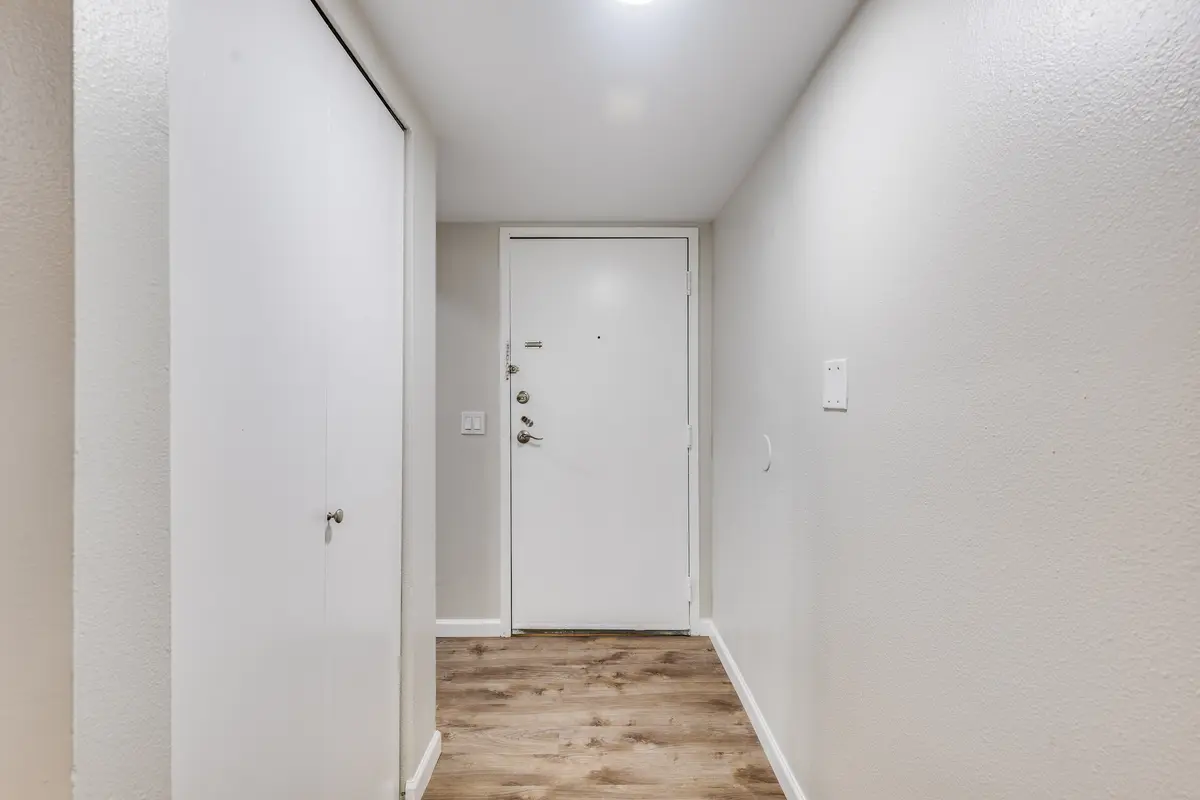
Luxury vinyl plank suits most homes with dogs: it handles water and pets and costs less than hardwood.
Roof construction is seven decisions: the pitch, the roofing material, the deck and sheathing, the underlayment, attic ventilation, flashing and gutters, and the permit.
The roofing material that fits most Seattle area houses is architectural asphalt shingle, which our pricing guide recommends and starts at $25,000+.
Winter prep for a Seattle area home is a fall list of six jobs that keep heat in and rain out.
The biggest kitchen remodeling mistakes are moving plumbing or walls without a reason, crowding the range or refrigerator against a wall, and changing selections after cabinets are ordered.
Planning a bathroom remodel is five decisions made before work starts: a budget for the room's size and finish level, whether the toilet, shower and sink stay on their drains, the permits and time on site, finishes and lighting, and the builder. Our bathroom remodels start at $25,000+ for a small room.
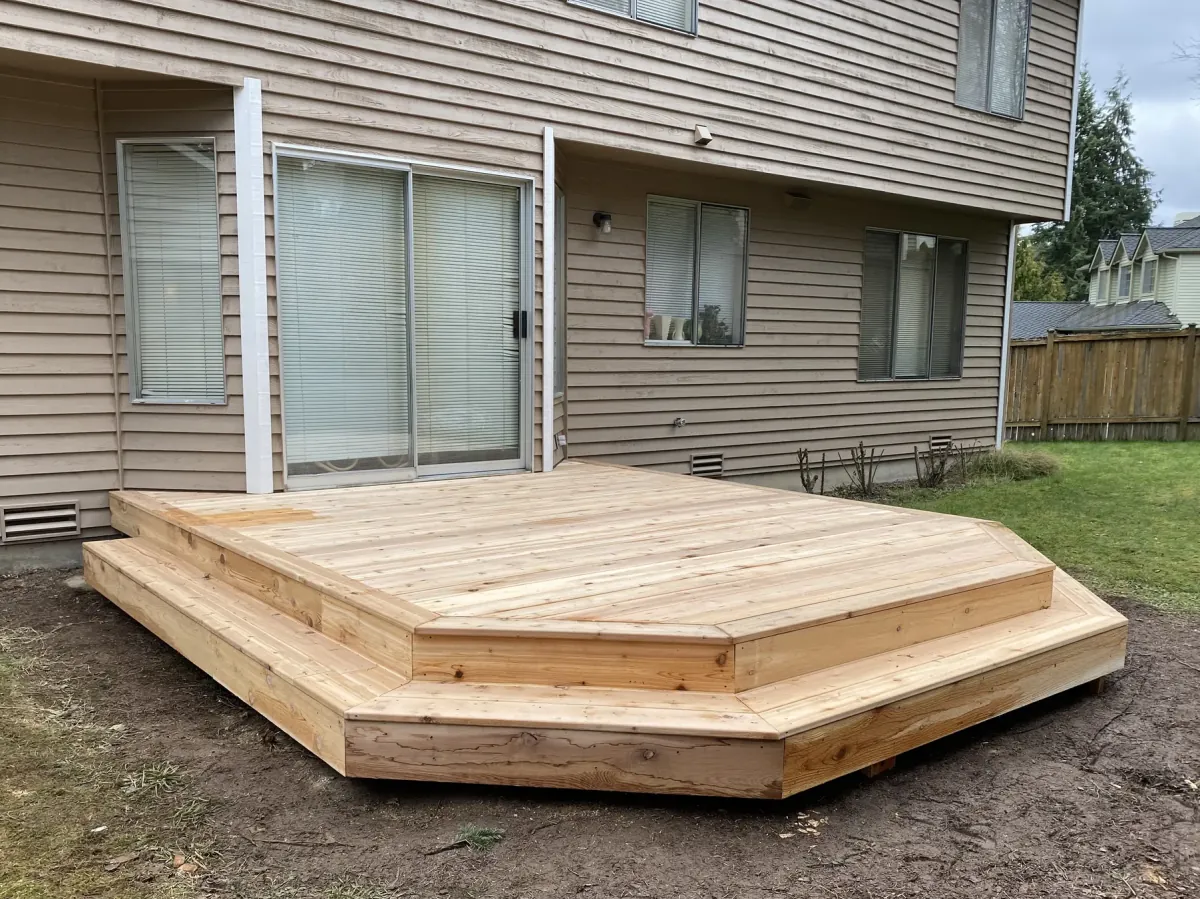
The five things to decide before installing a new outdoor deck are the decking material, size and layout, height and permit, footings and ledger, and railing and stairs.
A backyard patio is a level, hard surface next to the house that turns unused or muddy yard into an outdoor room.
Finishing a basement is turning below-grade storage into permitted living space with insulated walls, drywall, floors and wiring.
Converting a garage into a bedroom and bathroom starts at $110,000+ with us for a typical 2 car garage, or $75,000+ without the bath.
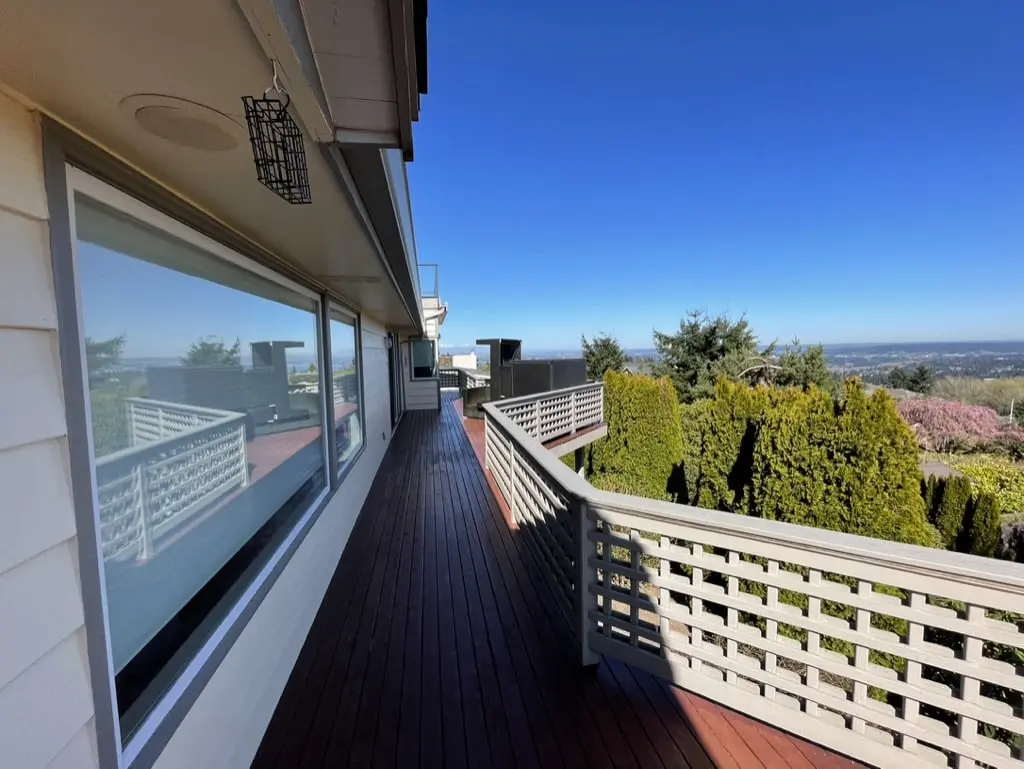
Remodeling an existing deck costs $15,000+ to resurface a sound frame and $25,000+ to rebuild a rotted one in the Greater Seattle area.
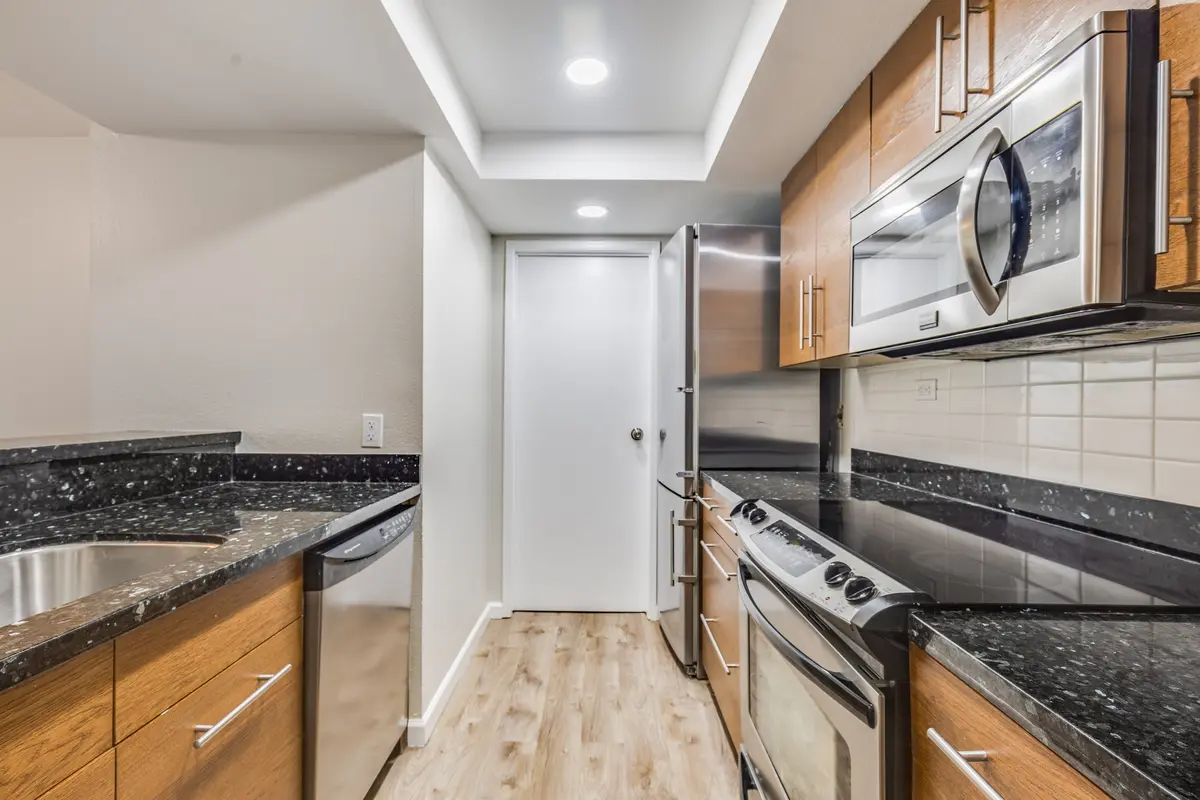
Upgrading your flooring is worth it when the floor is worn past repair, has been soaked, holds allergens or changes at every doorway, or before you list the home.
Replacing a roof in the Seattle area is a seven step job: get an inspection, know the price range, check what the price includes, hire a registered contractor, pick a material that suits the pitch, check the permit and plan the timing and prep. A replacement starts at $25,000+ for a small roof of 15 to 20 squares.
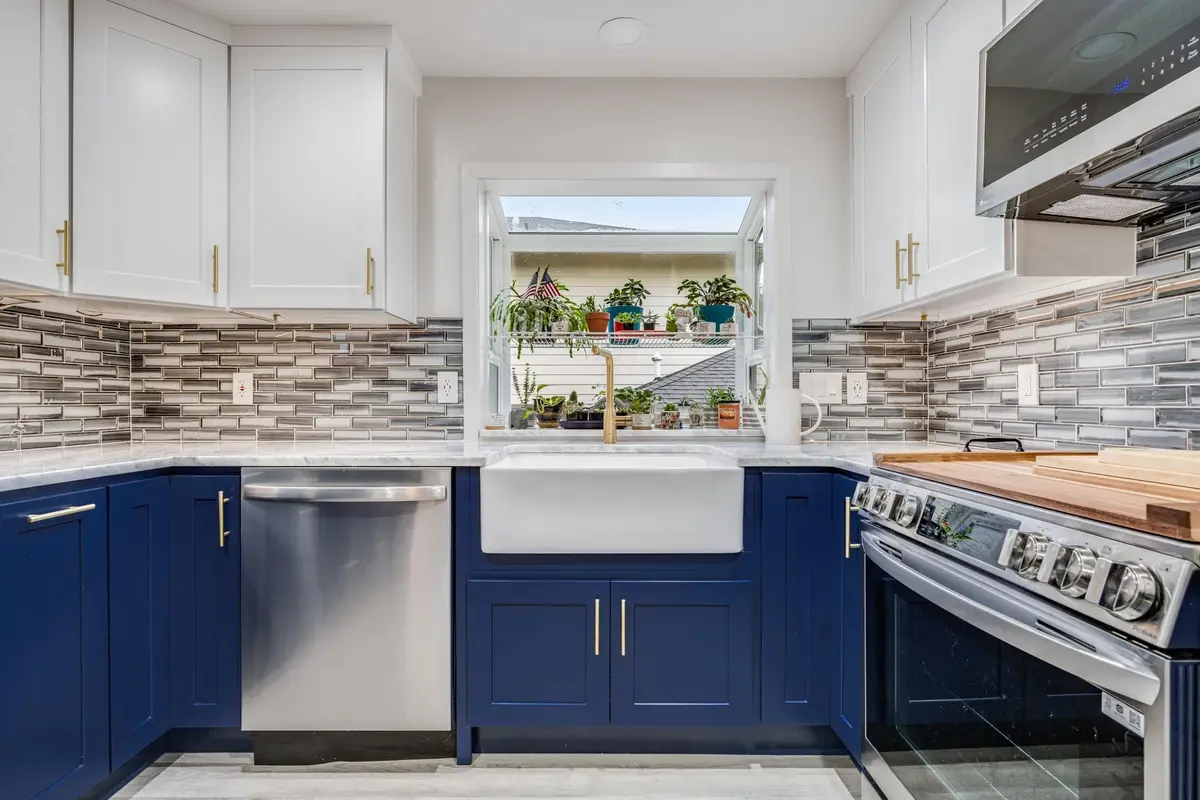
A professional kitchen remodeling contractor is a firm that designs and builds the whole kitchen under one contract.
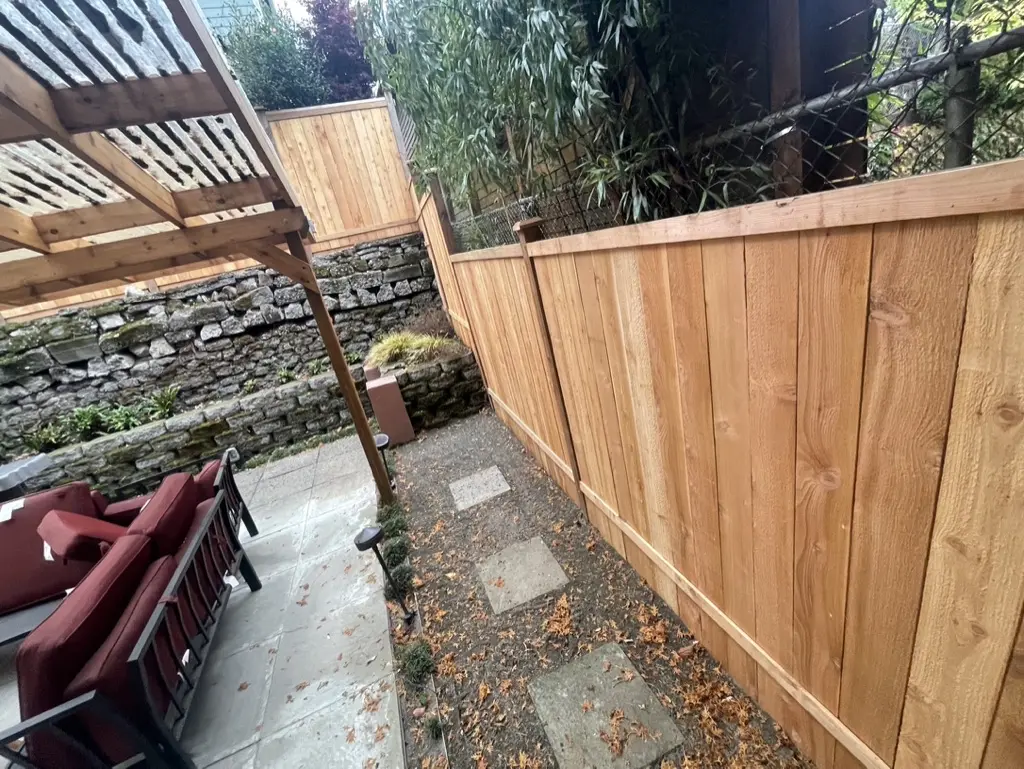
Choosing a fencing contractor is a matter of five checks: an active Washington registration with a bond and insurance, at least three written bids that list the same items, finished fences you can see, a price that accounts for your lot, and reviews you can read. Then plan the line, height, gates and utility locate together.
The costliest bathroom remodel mistakes are changing tile, fixtures or glass after demolition, trusting tile and grout to keep water out, a weak fan that is not ducted outside, ordinary glass at the tub or shower, and slippery floor tile. Each is cheap to get right before the walls close and expensive to fix after.