Restaurant & Hospitality Across the Greater Seattle Area
Restaurant construction built around the equipment plan, the health review and the day you open.
- We start from your menu and equipment list, because the health department does too.
- Hood, walk-in, grease interceptor and finishes are sequenced under one schedule.
- Hotel and dining room work can run after hours or on weekends while guests stay.
By appointment. Limited start dates.
- Over 200 projects
- 4.9 on Google
- 20+ years of experience
- WA license VOLCABI792C6
Trusted to build for






Who calls about a restaurant build-out or hospitality renovation
Food and lodging projects answer to more reviewers than an office does. These are the owners and managers who usually reach out.
Owners opening a new restaurant, cafe or bar
Your lease covers a space that has never cooked, or one built for a different menu. Before a wall moves, the health department wants a stamped equipment plan and the city wants to know if the space is recorded as a food establishment.
Operators reworking a kitchen that is open
A new fryer, a bigger walk-in or another prep sink can change the hood, the suppression system and the plumbing permit, and the work has to fit around service.
Hotel and hospitality property managers
Guest rooms, corridors, lobbies and breakfast areas wear out on their own schedule, and renovation has to run while the property keeps selling rooms.
What a restaurant build-out covers
Kitchen trades, dining room finishes and guest spaces run from one schedule, with licensed subcontractors pulling their own trade permits.
Hood, exhaust and makeup air
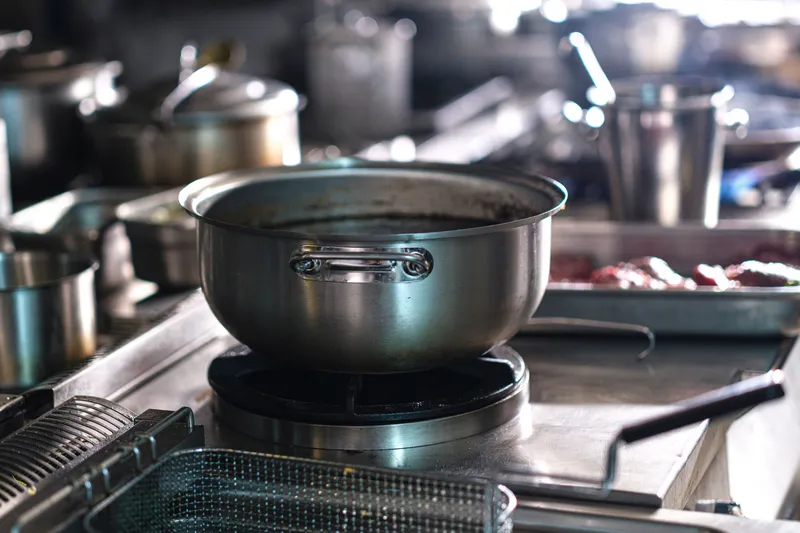
Type I hoods over grease-producing equipment, the grease duct and its enclosure, makeup air and the fire suppression system, each routed through mechanical and fire review.
Walk-in coolers and refrigeration
Walk-in boxes, condensing units and reach-in lines placed where the equipment plan shows them, with the building and refrigeration permits a walk-in brings.
Sinks, floor drains, grease interceptor
Hand sinks, the three-compartment sink, prep and mop sinks, floor drains where floors get wet, and a grease interceptor sized to the plumbing code, all under a plumbing permit.
Finishes the inspector can clean
Smooth, nonabsorbent floors, walls and ceilings, coved base, washable semi-gloss paint, sealed wood and shielded light fixtures in food areas.
Dining rooms, bars and restrooms
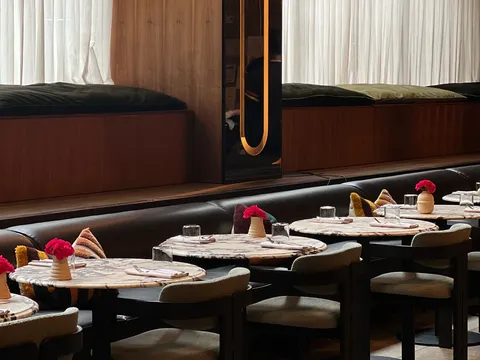
Seating layouts, bar dies and back bars with their dump sinks, lighting and public restrooms guests can reach without crossing the kitchen.
Hotel rooms and common areas
Guest room refreshes, bathrooms, corridors, lobbies and breakfast rooms, sequenced floor by floor so the property stays open.
Taking a lease on a new space? Start with Tenant Improvements Across the Greater Seattle Area. Opening a shop instead of a kitchen? See Retail Build-Outs Across the Greater Seattle Area, or browse Commercial Construction Across the Greater Seattle Area.
How a kitchen or hotel project keeps its opening date
Health approval, building permits and trade inspections each gate the next step, so we plan them in that order.
-
Walk the space with your menu
We walk the space with your menu, equipment list and any drawings, check what the last permitted use was, and note the existing hood, drains, restrooms and utility service.
-
Plans, approvals, then permits
Your designer or our team prepares the equipment plan for health review; once it is stamped we file building, mechanical, plumbing, electrical and fire suppression permits, and order hoods and walk-ins early.
-
Build, inspect, open
One project manager runs the trades, keeps the stamped plan set on site, and schedules loud work after hours or on weekends in open hotels and restaurants, then walks the space with you before the health inspection.
Health, permit and utility rules for restaurants
-
The King County rule
Health plan approval comes before construction
Public Health Seattle & King County must approve plans before a space is built, altered, converted or remodeled for food service, and inspects it before it opens. The stamped plans stay on site, and some building departments hold permits until those plans are stamped.
What we doWe price and build from the health-approved equipment plan, and route any change back to the plan reviewer before it is installed.
-
The Seattle rule
Hoods and walk-ins trigger extra review
SDCI permits a kitchen hood exhaust system as mechanical work with an added fire review, and the Fire Department inspects the hood suppression system. A new walk-in cooler requires plan review, and a hood in a space not recorded as a food establishment may need a change of use permit.
What we doWe look up the space's permitted use in SDCI records first and list every permit the kitchen needs on one schedule.
-
The utility rule
Every commercial kitchen needs a grease interceptor
Seattle Public Utilities requires any business with commercial kitchen plumbing fixtures and a King County food permit to install and maintain a grease interceptor (SMC 21.16.310), coffee and ice cream shops included.
What we doWe locate the interceptor during the walkthrough so cleaning access and the drain layout are settled before the slab is opened.
In Bellevue, Type I hoods and ducts get fire and mechanical review, hood systems take a fixed fire suppression permit and walk-in coolers need a building permit. Statewide, accessibility rules cannot be amended locally (WAC 51-50-005), contractors must register with L&I under RCW 18.27, and electrical work needs its own permit.
What an owner or franchisor can verify
Landlords, franchisors and hotel asset managers usually ask for these before a contract is signed.
Licensed in Washington
Contractor license VOLCABI792C6, registered with L&I under RCW 18.27. Licensed, bonded and insured.
Registered trades on your kitchen
State law makes using an unregistered contractor a gross misdemeanor, so every plumber, electrician and mechanical subcontractor is checked against L&I before starting.
20+ years of experience
Over 200 projects company-wide, managed from our main office in Bellevue.
4.9 on Google
The company rating owners and managers can read on our Google profile before they call.
Our workmanship warranty
- 2 years standard. Our installation and labor are covered for 2 years from substantial completion.
- Up to 5 years. You can extend the workmanship coverage up to 5 years for an added charge, set in your contract.
- Not transferable. Coverage stays with the client who signed the contract and does not pass to a new owner.
- Materials. Materials, finish materials included, carry the manufacturer's or supplier's warranty, and we help you file a claim.
Restaurant and hotel construction questions
Do I need health department approval before building a restaurant in Seattle?
Yes. Public Health Seattle & King County must approve your plans, including the equipment layout and menu, before construction starts, and a pre-operational inspection is required before you open.
What permits does a commercial kitchen hood need?
A mechanical permit with fire review, plus a fire suppression permit. In Seattle the Fire Department handles the suppression system; in Bellevue it is a separate fixed fire suppression permit. Plumbing, gas and electrical work each take their own permit.
Does a small cafe or coffee shop need a grease interceptor in Seattle?
Yes, if it has commercial kitchen plumbing fixtures and a King County food business permit. Seattle Public Utilities names delis, coffee and ice cream shops, pizza parlors and caterers as examples, and city code requires the interceptor to be installed and maintained.
Can a restaurant stay open during a remodel?
Often, for part of the work. Dining room, bar and restroom work can be phased or done after hours, while changes to the hood, drains or walk-in usually mean pausing the line. A remodeled kitchen still needs a pre-operational inspection before use.
How do you renovate hotel rooms without closing the property?
By working a block of rooms or one floor at a time. Finished rooms return to inventory while the next block starts, and noisy work is scheduled around guest hours after we agree the sequence with the property manager. See Commercial Remodeling Across the Greater Seattle Area.
What should I bring to a restaurant construction walkthrough?
Bring your lease, menu, equipment list and any drawings. With those we check the permitted use of the space, identify the hood, walk-in and plumbing changes, and send a written scope and price. For a new lease, see Tenant Improvements Across the Greater Seattle Area.