Fire & Smoke Damage Restoration Across the Greater Seattle Area
Fire damage restoration across the Greater Seattle area: we board up, dry out the hose water, clear smoke damage and rebuild.
- Emergency board up and tarping; firefighting water extracted and dried with equipment.
- Charred and smoke-affected materials removed, surfaces cleaned and sealed where needed.
- Photos, notes and a detailed estimate for your insurance company.
Phones staffed Monday to Friday 6am to 9pm, weekends 9am to 5pm. Same day response.
- Over 200 projects
- 4.9 on Google
- 20+ years of experience
- WA license VOLCABI792C6
After a house fire: what to do first
Stay out until firefighters clear the building, then protect the house and the record of the loss.
- Wait for the fire department. The U.S. Fire Administration says not to go back in unless the fire department says it is safe. Floors and walls may not be as safe as they look.
- Leave the utilities off. Do not turn water, power or gas back on yourself: call the utility. If you smell natural gas, leave and call your utility provider.
- Secure the property. Broken windows and holes cut by firefighters may need boarding up so no one can get in. Keep every receipt.
- Photograph before you clean. Keep damaged items until the adjuster has seen them, and ask your insurance company what they need first.
- Call us. We plan the board-up, the water removal and the rest of the work with you.
Fire damage restoration in the Greater Seattle area, room by room
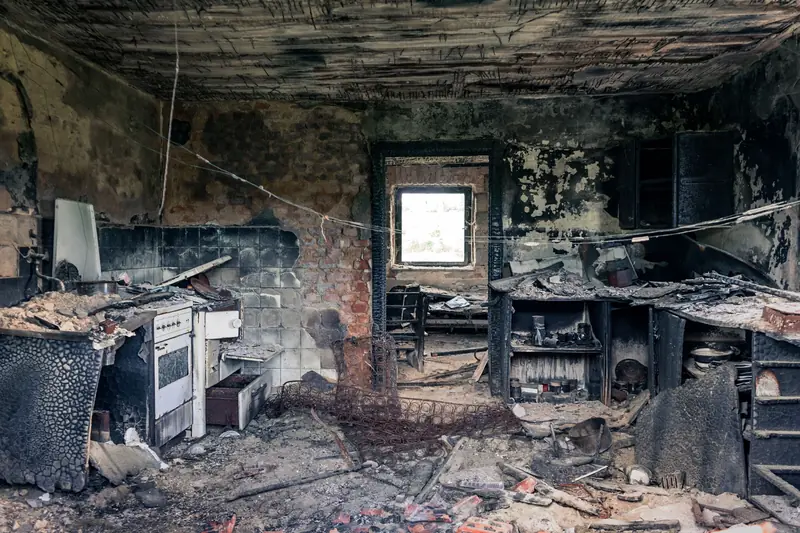
A house fire leaves burned material, smoke residue that travels well past the flames, and water from the hoses. We deal with all three, then rebuild.
Board-up and securing
Windows, doors and roof openings broken by the fire or cut by firefighters are covered against weather and trespassers.
Water from firefighting
Hose water soaks floors, walls and insulation. We extract it and dry the structure with equipment, logging moisture readings as it dries.
Debris and charred materials
Burned drywall, insulation, flooring and cabinets are torn out and hauled away. Belongings in the way can be packed out first.
Smoke damage cleanup
Soot reaches rooms the fire never did. Surfaces that can stay are cleaned; materials the residue has soaked into are replaced.
Odor removal work
Smoke odor lives in the materials that absorbed it, so our odor work is removal, cleaning and sealing where needed before new finishes go on.
Rebuild and permits
Framing, drywall, cabinets, floors and paint put back as one project, with the permits pulled before walls close up.
Most fires leave standing water from the hoses; drying is covered on Water Damage Restoration Across the Greater Seattle Area. Every restoration service is on Restoration Services Across the Greater Seattle Area. Belongings that need to leave the house first are covered on Contents Pack-Out & Cleaning Across the Greater Seattle Area. In Bellevue, see Fire & Smoke Damage Restoration in Bellevue.
Five steps from the fire to finished rooms
Stop further damage, record everything for the claim, then remove, clean and rebuild.
-
Inspect with the adjuster in mind
Once the house is cleared, we photograph the burn, the smoke spread and the wet areas, noting what the adjuster's scope will need.
-
Secure and board up
Openings are covered and the house closed up while the claim and the work move forward.
-
Remove debris and firefighting water
Burned debris is cleared, hose water extracted, and the structure dried with equipment against moisture readings.
-
Clean and remove smoke damage
Charred and smoke-affected materials come out; what stays is cleaned and sealed where needed.
-
Rebuild
Walls, kitchen, floors and paint are rebuilt under the permits the work requires.
What we document for your adjuster
Fire claims turn on records made before cleanup. We work with your adjuster on scope and documentation and give you copies.
- Photos and video as found. Every affected room before cleaning: soot, staining and heat damage.
- Smoke spread. Rooms away from the fire with residue or strong odor, since smoke reaches places the flames never touched.
- Hidden areas. Attic, crawl space, insulation and HVAC, which Washington's Insurance Commissioner says to include in a full smoke damage inspection.
- Moisture readings. Where firefighting water went and how the drying progressed.
- A detailed estimate. Line by line, for your insurance company.
You choose your contractor. Your insurer may suggest one, but the Insurance Commissioner says the choice is yours. Coverage questions go to your insurer or agent.
Where fire and smoke damage starts around Seattle
Most house fires start from everyday sources, and some smoke damage comes from fires miles away.
Kitchen fires
Bellevue Fire lists cooking accidents first among home fire causes. Burnt food leaves protein residue, which the Insurance Commissioner says can permanently discolor painted surfaces.
Heat sources and smoking
Bellevue Fire also names smoking and unsafe woodstove or space heater use. A furnace puff back spreads a greasy, dark residue.
Wildfire smoke
The Puget Sound Clean Air Agency notes wildfires typically occur in the warmer, drier summer months. The Insurance Commissioner adds that smoke can damage homes the flames never touch.
Putting the rooms back after the fire
The same team that tears out rebuilds, so the house is not handed between contractors halfway through.
The kitchen
Cabinets, counters and wiring often come out together after a kitchen fire and go back in as a planned kitchen.
Most of the house
When fire, smoke and hose water reached most rooms, the rebuild runs as one project on one schedule.
Walls and ceilings
Rooms with smoke film but sound drywall are cleaned, sealed where needed and repainted.
Upgrades beyond the pre-fire condition may not be part of the claim: ask your insurer or agent before approving them.
Permits and asbestos rules for fire repairs in Seattle
-
The Seattle rule
Structural fire repairs need a permit
SDCI requires a permit for any work on load-bearing supports, the building envelope, or work that reduces egress, light, ventilation or fire resistance, no matter how small.
What we doWe check the rebuild scope against those limits and tell you in writing which parts need a permit.
-
The Seattle rule
Emergency permits cover structure only
SDCI offers an expedited emergency repair permit for structural damage from a fire. It needs a structural or geotechnical engineer's letter and covers only that damage; more extensive repairs go through further review.
What we doWhen framing is damaged we tell you early that an engineer's letter is needed.
-
The state rule
An asbestos survey before tear-out
Washington L&I requires a good faith asbestos inspection by an AHERA certified inspector before work that could disturb suspect materials, whatever the building's age.
What we doIn older homes we plan for the survey before tear-out. A certified abatement contractor handles any asbestos; we never remove it ourselves.
In King and Snohomish counties the Puget Sound Clean Air Agency also requires suspect materials to be identified before renovation, and a notification before asbestos removal or demolition.
What homeowners say about working with us
Bar and the team at Volcano Builders did a great job! Professional service, great communication throughout the whole process, and everything was done with care and attention to detail. Highly recommend!
Gad an amazing experience with Volcano Builders on my kitchen project. Bar my project manager was friendly. He make sure to keep me updated during the whole project. Also is team is very nice.
We were nervous about hiring a contractor because we were first-time homeowners, but Volcano Builders made it easy to understand. They made everything clear and helped us stick to our budget. I'm very happy with how everything turned out.
Read more of our Google reviews, word for word, with video reviews from finished homes.
Our workmanship warranty
- 2 years standard. Our installation and labor are covered for 2 years from substantial completion.
- Up to 5 years. You can extend the workmanship coverage up to 5 years for an added charge, set in your contract.
- Not transferable. Coverage stays with the homeowner who signed the contract and does not pass to a new owner.
- Materials. Materials, finish materials included, carry the manufacturer's or supplier's warranty, and we help you file a claim.
Fire and smoke damage questions
How much does fire damage restoration in the Greater Seattle area cost?
It depends on how far the fire, smoke and water reached: the charred area to remove, the smoke spread, how wet the structure is, whether framing needs an engineer and permit, any asbestos work, and the rebuild finishes. You get an itemized estimate after the inspection.
How long does fire and smoke damage restoration take?
Securing and drying are the short part; the rebuild takes longest. Length depends on the damage, the insurance inspection, permits, any asbestos survey and material lead times. You get a schedule once the scope is agreed.
Does homeowners insurance cover fire and smoke damage?
It depends on your policy, so check your policy or ask your insurer or agent. The Insurance Commissioner notes you can request a reinspection, since smoke damage can be progressive. We provide a detailed estimate for your insurance company.
Can I stay in my home after a fire?
Not until the fire department says it is safe. After that it depends on the damage and whether utilities are back on. If the home is unlivable, keep track of housing and food costs and ask your insurer or agent what your policy includes.
Can smoke odor be removed from a house?
We do not promise a result. What we do is remove charred and smoke-affected materials, clean the surfaces that stay, and seal them where needed before new finishes go on.
Could there be asbestos in fire debris in an older home?
Yes. The Washington Department of Health notes asbestos does not burn, so any in the house may be in the ash. Older homes may need an asbestos survey before tear-out. A certified abatement contractor handles any asbestos; we never remove it ourselves. See the Puget Sound Clean Air Agency asbestos page.