Mold Remediation Across the Greater Seattle Area
Mold removal that starts with the moisture behind it: a mold inspection with moisture readings, then containment, tear-out, drying and the rebuild.
- The leak or damp source is traced and repaired as part of the job, not left for later.
- Photos and moisture readings recorded before anything is disturbed.
- Licensed, bonded and insured under WA license VOLCABI792C6.
Phones staffed Monday to Friday 6am to 9pm, weekends 9am to 5pm. Same day response.
- Over 200 projects
- 4.9 on Google
- 20+ years of experience
- WA license VOLCABI792C6
Found mold? What to do right now
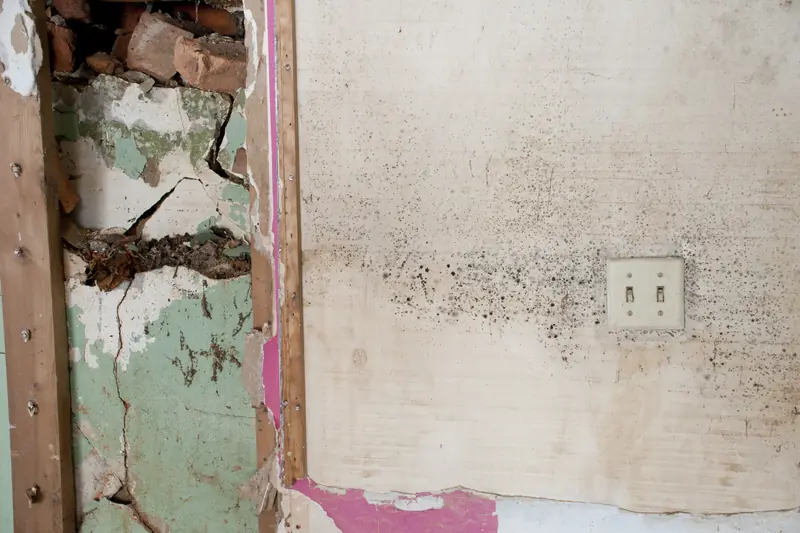
Leave the growth alone and deal with the water first, so a small problem does not spread.
- Do not disturb it. No scrubbing, dry brushing or scraping, and do not peel wallpaper off it: EPA notes that pulling wallpaper can release spores from the back.
- Stop the water source. For a leaking pipe, close the main shut-off valve, usually in a basement, crawl space or garage.
- Keep people and moving air away. Close the door, keep children and pets out, aim no fans at it, and do not run the furnace if you suspect mold in the ducts.
- Stay out if the room is unsafe. A sagging ceiling, a soft floor or water near wiring means do not go in.
- Call us. Tell us where the growth is and roughly how large, and we book the inspection.
Size matters: EPA and the Washington Department of Health say a patch under about 10 square feet (roughly 3 by 3 feet) can usually be cleaned by a homeowner. Larger growth, growth after a lot of water damage, hidden growth, or anything touched by sewage is work for a professional.
Mold removal and the work around it
EPA's order of work: fix the moisture, contain, remove what cannot be saved, clean, dry, close up. For homes across Seattle, Bellevue, Kirkland and the Eastside.
Mold inspection
We look for visible growth, staining, musty odor and the water feeding it, with moisture meter readings in the walls and framing around it. EPA says sampling is generally unnecessary when growth is visible.
Finding the source
A supply line, drain, roof flashing, window, wet crawl space or condensation. Plumbing repairs go to a licensed plumber.
Containment
The work area is sealed off with plastic sheeting before materials come out, and crews wear protective gear, as EPA's remediation plan describes.
Removing affected materials
Porous materials that grew mold, such as drywall, insulation, carpet and ceiling tile, are cut out and bagged.
Drying and readings
Drying equipment runs until meter readings show the framing is dry. Walls stay open until then.
Rebuild
Insulation, drywall, flooring and finishes, by the contractor that did the tear-out.
Mold usually follows a leak. For burst pipes, flooding and active leaks, see Water Damage Restoration Across the Greater Seattle Area. Local pages: Mold Remediation in Bellevue and Mold Remediation in Kirkland.
From mold inspection to rebuild
Moisture comes first and last: it is found in step one and measured again in step four before anything is closed up.
-
Inspect and find the moisture
We map the visible growth, check behind finishes where odor or readings suggest hidden growth, and trace the water to its source.
-
Contain the work area
Sheeting, sealed doorways and covered vents keep dust from the affected room out of the rest of the home.
-
Remove affected materials
Moldy porous materials are cut out past the visible edge, bagged inside the containment and hauled away.
-
Dry and verify with readings
Dehumidifiers and air movers run until readings in the framing and subfloor confirm it is dry.
-
Rebuild
With the source fixed and the readings dry, we close the walls and finish the room.
What we document for your insurance company
We work with your adjuster on scope and documentation and keep a record of each stage.
- Before photos. The growth, the staining and the water source, photographed before anything is cut or cleaned.
- Moisture readings. Meter readings with their locations on the first visit, during drying and at the end.
- Measured areas. The size of each affected area, in square feet, room by room.
- Materials removed. What came out and why, with photos of the open cavities.
- A detailed estimate. Line items for the remediation and the rebuild, written for your insurance company to review.
What a policy covers depends on its wording, so check your policy or ask your insurer or agent before work starts. Your insurer may suggest a contractor, but Washington's Insurance Commissioner says the choice of contractor is yours.
Why mold shows up in Seattle area homes
Mold needs moisture, and a Puget Sound house gets it in several ways without an obvious flood.
A long damp season
November is typically Seattle's wettest month, and western Washington's flood season runs from October to April. Months of rain find every weak flashing, window seal and gutter.
Condensation on cold walls
Warm, moist indoor air condenses on cold exterior walls, behind dressers and in packed closets. EPA suggests indoor humidity below 60%, ideally 30 to 50%.
Crawl spaces and slow leaks
Washington code calls for a vented crawl space with 6 mil black plastic over the soil. When that cover is torn or missing, or a drain line drips under the floor, the subfloor and joists stay wet. Hidden leaks do the same inside walls.
Putting the room back after mold remediation
Tear-out leaves open walls and bare subfloor. If you want the room to change while it is open, the rebuild can be planned as a remodel.
Bathrooms
New backer board, waterproofing, tile and a vented fan go in once the framing reads dry.
Basements
Damp foundation walls feed growth behind finished walls. Drainage comes first, then insulation and finishes suited to a below grade room.
Floors
Moldy carpet and pad are thrown away and damaged subfloor replaced before the new floor goes down.
Asbestos, permits and licensing for mold work
-
The Puget Sound rule
An asbestos check comes before tear-out
In King, Kitsap, Pierce and Snohomish counties, the Puget Sound Clean Air Agency requires suspect materials to be identified before renovation, and Washington L&I requires an accredited good faith inspection before repair work that could disturb them, whatever the age of the house. The agency names insulation, vinyl flooring and popcorn ceilings among the products that can contain it.
What we doOlder homes may need an asbestos survey before we cut. A certified abatement contractor handles any asbestos; we never remove it ourselves.
-
The Seattle rule
Structure and ventilation need a permit
SDCI says most projects need a permit. Surface finishes and limited in-kind repair usually do not, but work on load-bearing supports, the building envelope, or anything that reduces ventilation needs one however small the job. Plumbing permits in Seattle come from Public Health, not SDCI.
What we doWe check the scope against those limits and tell you in writing which parts need a permit before work starts.
-
The state rule
No state mold certification exists
The Washington Department of Health says there are no specific certification requirements for mold or water damage restoration in the state. It advises hiring a contractor who is licensed, bonded and insured, registered with L&I under RCW 18.27.
What we doOur L&I registration, VOLCABI792C6, with bond and insurance status, can be checked on the L&I Verify tool.
Do not paint or caulk over mold: EPA and the Department of Health both say it grows under the paint and the paint peels.
What Our Clients Say
Bar and the team at Volcano Builders did a great job! Professional service, great communication throughout the whole process, and everything was done with care and attention to detail. Highly recommend!
We were nervous about hiring a contractor because we were first-time homeowners, but Volcano Builders made it easy to understand. They made everything clear and helped us stick to our budget. I'm very happy with how everything turned out.
Overall, we had a great time with Volcano Builders. There were a few small delays, but they were clear in their communication and kept things moving. The last kitchen remodel turned out great, and the quality seems like it will last for a long time.
Read more of our Google reviews, word for word, with video reviews from finished homes.
Our workmanship warranty
- 2 years standard. Our installation and labor are covered for 2 years from substantial completion.
- Up to 5 years. You can extend the workmanship coverage up to 5 years for an added charge, set in your contract.
- Not transferable. Coverage stays with the homeowner who signed the contract and does not pass to a new owner.
- Materials. Materials, finish materials included, carry the manufacturer's or supplier's warranty, and we help you file a claim.
Mold remediation questions
What affects the cost of mold removal?
The size of the affected area, what it grew on, and how much is hidden. A mold inspection with moisture readings sets the scope. Access to a crawl space or attic, the source repair, an asbestos survey in an older home and the size of the rebuild also move it.
How long do mold remediation and drying take?
It depends on the size of the area and how wet the structure is. Drying continues until moisture readings confirm the framing is dry, and EPA says remediation is not finished until the water problem is fixed, so the rebuild waits for both.
Does homeowners insurance cover mold remediation?
That depends on your policy, so check your policy or ask your insurer or agent. We document the damage with photos and moisture readings and provide a detailed estimate for your insurance company.
Can I stay home during mold remediation?
Often, yes, when the work is limited to one area. The room is sealed off and you keep out of it until the job is done. If you have to stay elsewhere, keep your receipts and ask your insurer what to send them.
Will the mold come back?
Mold needs moisture. EPA says that if the water problem is not fixed, the mold will most likely come back, and that some spores are always present indoors. Fixing the source and keeping indoor humidity below 60% is what keeps it from regrowing, so the source repair is part of every job we take on.
Do older homes need an asbestos check before mold removal?
Often, yes. Puget Sound Clean Air Agency and Washington L&I rules call for suspect materials to be identified before they are disturbed, and no build year rules asbestos out. A certified abatement contractor handles any asbestos; we never remove it ourselves.