
Storm Damage Repair Across the Greater Seattle Area
Storm damage restoration for homes in Seattle, Bellevue and Kirkland: we close up the openings, dry out the rain that got in and rebuild what the wind broke.
- Emergency board up and tarping to keep the next rain out.
- Photos, moisture readings and a detailed estimate for your insurance company.
- Licensed, bonded and insured under WA license VOLCABI792C6.
Phones staffed Monday to Friday 6am to 9pm, weekends 9am to 5pm. Same day response.
- Over 200 projects
- 4.9 on Google
- 20+ years of experience
- WA license VOLCABI792C6
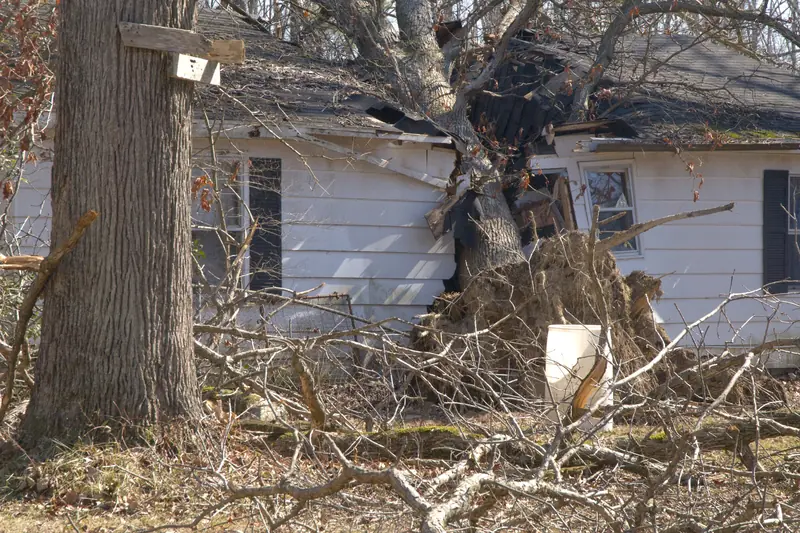
After the storm: what to do first
Keep people clear of the hazards before anyone looks at the damage.
- Stay away from downed power lines. Treat every wire on the ground as live. Seattle City Light says to stay 30 feet back, and Puget Sound Energy says at least 35 feet. Call 911 or your utility to report it.
- Do not go up on the roof. Wet shingles and broken framing make it a dangerous place to stand. Look from the ground instead.
- Keep out if a tree or ceiling is down. Leave that part of the house, keep children and pets out, and wait until the structure has been checked.
- Shut off water and power only if it is safe. If you can reach the main valve or the panel without standing in water or passing under damaged framing, turn them off. If not, leave them.
- Call us. Take photos from a safe spot, then call. We arrange the tarps, the board up and the drying.
Washington's Office of the Insurance Commissioner says to keep receipts for emergency repair materials, such as plywood over broken windows or tarps over a damaged roof.
Storm damage restoration, from the first tarp to the last shingle
Storms break the outside of a house, then soak what sits under it. We handle the emergency cover, the dry out and the repairs.
Emergency board up and tarping
After a storm we tarp open roof areas and board up broken windows and doors, so rain stays out and nobody can walk in.
Roof leak repair
Missing shingles, torn flashing and punctured decking are traced from the attic side as well as the top, then repaired to match.
Fallen tree damage
We coordinate with a tree crew to lift the tree off the house, then repair the rafters, sheathing, siding and ceilings it broke.
Water extraction and drying
Rain that came through the roof or a window is extracted, and wet framing, insulation and floors are dried with equipment.
Tear-out of damaged materials
Soaked insulation, sagging drywall and ruined flooring come out so the structure behind them can dry.
The full rebuild
Framing, roofing, siding, windows, drywall and paint are put back by the same team, with permits where the work needs them.
Water spread past the storm area? See Water Damage Restoration Across the Greater Seattle Area. Every restoration service is listed on Restoration Services Across the Greater Seattle Area.
Five steps from storm night to finished repair
Stop the weather getting in, get the moisture out, then rebuild on dry, sound framing.
-
Inspect
We walk the outside, the attic and the rooms below, photograph every opening and mark where water has reached.
-
Secure
Tarps go over the roof damage and plywood over broken windows and doors to keep the house closed.
-
Dry out
Water that got in is extracted, and drying equipment runs until moisture readings in framing and floors come down.
-
Tear-out
Materials that cannot be dried are removed, and older homes are checked for asbestos before anything is cut.
-
Rebuild
Structure, roof, siding, windows and interior finishes are repaired or replaced to match the rest of the house.
What we document for your adjuster
We work with your adjuster on scope and documentation, recording the damage in a form an insurance company can review.
- Exterior photos before tarping. Roof, siding, windows and any tree contact, before the cover goes on.
- Attic and interior photos. Daylight through the decking, wet insulation and ceiling stains.
- Moisture readings. Walls, ceilings and floors on the first visit and as drying progresses.
- Emergency work records. What was tarped or boarded up, when, and the materials used.
- A detailed estimate. Line items for the repair and rebuild that you can send to your insurance company.
You choose your contractor: Washington's Insurance Commissioner says your insurer may suggest one, but the choice is yours. Coverage depends on your policy, so check your policy or ask your insurer or agent.
Why storms here damage houses the way they do
Around Seattle, storm damage comes from wind, trees and long heavy rain.
Windstorms bring trees down
NOAA's record of the December 2006 windstorm, the strongest since the 1993 Inauguration Day storm, says thousands of trees came down in western Washington, some onto houses and rooftops.
Atmospheric rivers
NOAA describes atmospheric rivers, like the Pineapple Express, as bands of moisture that drop heavy rain on landfall. The National Weather Service in Seattle puts the flood season at October to April, peaking in November.
Rain water versus rising water
Rain through a roof, wall or window is classed as clean water. Rising river water or surface water flowing into a house is classed as contaminated and handled with far more care.
Rebuilding the outside of the house
Once the house is dry, the repairs follow the path the storm took through the building envelope.
Roof repair or replacement
Damaged decking and rafters are replaced first, then the roof is patched to match or replaced when too much is gone.
Siding and trim
Cracked or torn siding, trim and the flashing behind it are replaced so the wall sheds water again.
Broken windows
Boarded openings get new windows sized to the existing frames, or full frame replacements where the frame broke.
Interior ceilings, drywall and floors are rebuilt in the same project.
Permits, trees and asbestos after a storm
-
The Seattle rule
Roof repair versus structural repair
For a detached one or two family house, the Seattle Department of Construction and Inspections (SDCI) needs no permit to replace roof sheathing or repair the roof when the envelope is unchanged and the work is as good as the existing structure. Work on load-bearing supports, such as broken rafters, needs a permit.
What we doWe check the framing under the damage before quoting and tell you in writing whether the repair needs a permit.
-
The Seattle tree rule
Emergency tree work needs notice first
SDCI Tip 242B lets emergency trimming or removal go ahead without advance approval when a protected tree is at extreme risk of imminent failure and threatens people or structures. SDCI must be notified before work begins, and an application filed within ten calendar days.
What we doWe are not a tree service. We coordinate with a tree crew to get the tree off the house, then repair the structure it damaged.
-
The asbestos rule
Survey older homes before tear-out
The Puget Sound Clean Air Agency requires asbestos to be identified before renovation that may disturb it, and Washington L&I requires a good faith inspection by an AHERA certified inspector before repairs that could disturb suspect materials, whatever the building's age.
What we doOlder homes get an asbestos survey before we cut into walls or ceilings. A certified abatement contractor handles any asbestos; we never remove it ourselves.
For storm-caused structural damage, SDCI offers an emergency repair permit that covers only that damage and requires a letter from a structural or geotechnical engineer.
What Our Clients Say
Bar and the team at Volcano Builders did a great job! Professional service, great communication throughout the whole process, and everything was done with care and attention to detail. Highly recommend!
Overall, we had a great time with Volcano Builders. There were a few small delays, but they were clear in their communication and kept things moving. The last kitchen remodel turned out great, and the quality seems like it will last for a long time.
We were nervous about hiring a contractor because we were first-time homeowners, but Volcano Builders made it easy to understand. They made everything clear and helped us stick to our budget. I'm very happy with how everything turned out.
Read more of our Google reviews, word for word, with video reviews from finished homes.
Our workmanship warranty
- 2 years standard. Our installation and labor are covered for 2 years from substantial completion.
- Up to 5 years. You can extend the workmanship coverage up to 5 years for an added charge, set in your contract.
- Not transferable. Coverage stays with the homeowner who signed the contract and does not pass to a new owner.
- Materials. Materials, finish materials included, carry the manufacturer's or supplier's warranty, and we help you file a claim.
Storm damage repair questions
What affects the cost of storm damage repair?
The size of the opening and any broken framing matter most, then how much rain got inside, whether a tree has to come off first, matching the roofing and siding, any permit, and an asbestos survey in an older home.
How long do storm repairs take?
It depends on the damage. Cover comes first, drying lasts until moisture readings come down, and the rebuild depends on its size, permits and materials. You get a schedule once the damage is mapped.
Does homeowners insurance cover storm damage?
It depends on your policy, so check your policy or ask your insurer or agent what is covered. We provide photos, moisture readings and a detailed estimate for your insurance company.
Can I stay in my house after storm damage?
Often yes, if the power is safe, nothing has fallen into the rooms you use, and they are dry. If the house is not livable, the Insurance Commissioner advises tracking housing, food and laundry costs; ask your insurer or agent what your policy includes.
Should a storm damaged roof be repaired or replaced?
Repair it when the damage is limited to one area and the rest of the roof is sound; replace it when large sections are gone or the roof was already worn out. In Seattle, like for like roof repair on a detached house usually needs no permit, while broken rafters do. See Roofing Contractors Across the Greater Seattle Area.
Could my older home have asbestos?
It could. The Puget Sound Clean Air Agency says no construction date can be relied on to show a building has no asbestos, and notes that water damage can bring popcorn ceilings down in clumps. A survey comes before tear-out. A certified abatement contractor handles any asbestos; we never remove it ourselves.