Sewage Backup Cleanup Across the Greater Seattle Area
Sewage cleanup for homes in Seattle, Bellevue and Kirkland when a toilet or floor drain backs up: cleaned, dried and rebuilt by one team.
- Contaminated water extracted and soaked carpet, pad and drywall taken out and bagged.
- Hard surfaces cleaned, rooms dried with equipment and checked with moisture readings.
- The basement, bathroom or floor rebuilt afterward. Licensed, bonded and insured.
Phones staffed Monday to Friday 6am to 9pm, weekends 9am to 5pm. Same day response.
- Over 200 projects
- 4.9 on Google
- 20+ years of experience
- WA license VOLCABI792C6
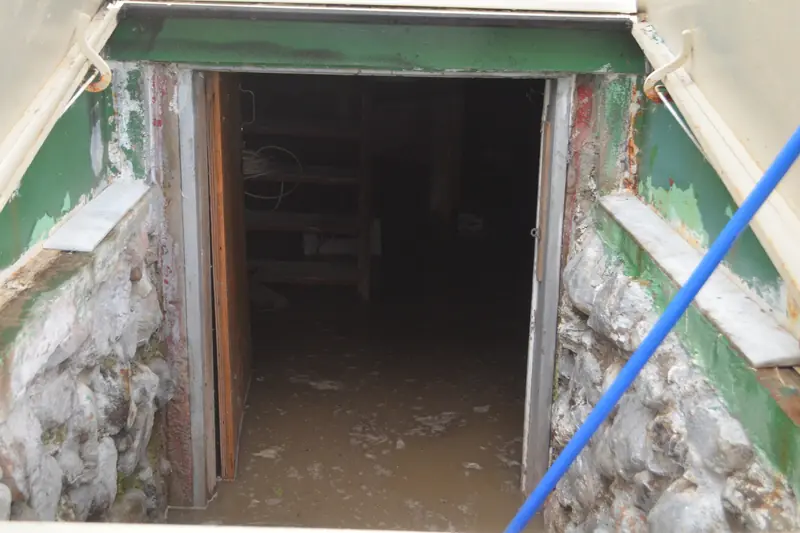
Sewage coming up a drain? Do this first
Stop adding water to the pipe, keep everyone away from it, then call.
- Stop using water and stop flushing. Every flush or shower goes down the same blocked line and comes back up the lowest drain. Seattle Public Utilities says to avoid toilets and water appliances until the pipe is cleared.
- Keep people and pets out. Close the door or block the stairs. SPU also says not to try to plug the drain the sewage is coming up through.
- Cut power only from dry ground. King County advises switching off breakers for the affected area without standing in or touching the water. If the panel sits in the wet area, leave it.
- Do not go in if it looks unsafe. Deep water, a sagging ceiling or a smell of gas means stay out.
- Call us. Tell us which drain it came up and which rooms it reached.
If your plumber suspects the city main, Seattle Public Utilities takes reports at (206) 386-1800. Before a side sewer is cleared, SPU says to call Puget Sound Energy so a gas line is not damaged.
Sewage cleanup that treats the water as contaminated
Public Health Seattle & King County and SPU both say to treat sewage backup water as contaminated, and SPU advises discarding items exposed to it. We work to that standard.
Sewage extraction
Standing sewage is pumped out once the line is cleared, working in protective gear.
Removal of soaked porous materials
Saturated carpet, pad, drywall and insulation are bagged and removed, as Public Health advises, not dried and kept.
Cleaning hard surfaces
Concrete, tile, framing and fixtures are washed down and cleaned before drying starts.
Drying and moisture checks
Equipment runs in the cleaned space until readings in the framing say it can be closed up.
Contents pack-out
Belongings the sewage did not reach are packed out. Items it did reach are photographed and listed, then discarded, as SPU advises.
Tear-out and rebuild
After drying, we rebuild the walls, floors and fixtures that came out.
When the water came from a clean supply line instead, see Water Damage Restoration Across the Greater Seattle Area. For how the paperwork and the rebuild fit around an insurance claim, see Insurance Restoration & Reconstruction Across the Greater Seattle Area. All services are on Restoration Services Across the Greater Seattle Area.
How a sewage backup gets cleaned up and rebuilt
Your plumber clears the pipe. Our work starts in the rooms the sewage reached.
-
Inspect the spread
We photograph the affected rooms, note which drain overflowed and measure how far moisture wicked into walls and flooring.
-
Extract and strip out
Sewage is removed and saturated materials are cut out and bagged, after an asbestos check where the home calls for one.
-
Clean, dry and monitor
Hard surfaces are cleaned, then equipment dries the space while readings are logged each visit.
-
Finish the tear-out
Anything still wet, or soaked behind a finish, comes out before the walls close.
-
Rebuild
Drywall, flooring, trim and fixtures go back in, matched to the rest of the house.
What we document for your adjuster
Discarded items cannot be shown later, so the record comes first. We work with your adjuster on scope and documentation, and the file includes:
- Photos before cleanup. Each room, the high water line and the drain it came from, taken on the first visit.
- A list of discarded items. Carpet, pad, furniture and belongings removed because sewage reached them.
- Moisture readings. Taken at the same marked spots on every visit, with the date.
- The cause, in writing. SPU suggests asking your plumber to write down the probable cause and give you a copy of any camera video. We add both to the file.
- Detailed estimate. A line-item estimate of the cleanup and rebuild for your insurance company.
Keep copies of all invoices, as SPU advises. You choose your contractor: Washington's Insurance Commissioner says that right is yours.
Why sewer lines back up into Seattle homes
In Seattle you own your side sewer all the way to the public main under the street. King County says most indoor sewage spills start in that private pipe. SPU crews fix the main but do not enter homes to clean up.
Tree roots
SPU calls roots a common side sewer problem. Older concrete and clay pipe without watertight joints is most at risk: roots crack the pipe and block it.
Grease and wipes
Cooking grease, even olive oil, hardens in cool pipe and sticks. SPU says toilet paper is the only thing safe to flush, wipes labeled flushable included.
Winter storms
SPU says winter storms can overload the sewer system when rain and groundwater get in through gutters, sump pumps, area drains and cracks. A partly blocked side sewer backs up sooner.
Putting the rooms back after sewage cleanup
Sewage comes up through the lowest drain, so the rebuild is usually downstairs.
Basements
Finished lower levels lose carpet, drywall and insulation first.
Floors
Carpet and pad that took on sewage are replaced; hard flooring is replaced if sewage got under it.
Bathrooms
A backup through a toilet or shower drain can mean a new vanity, baseboard and flooring.
Sewer, plumbing and asbestos rules before the work starts
-
The Seattle rule
Side sewer repairs need their own permit
Seattle Public Utilities requires a side sewer repair permit any time a pipe, cleanout or yard drain on the line is repaired or replaced, and work in the street also needs an SDOT permit. Piping inside the house is plumbing, permitted and inspected by Public Health Seattle & King County.
What we doThe side sewer contractor or plumber pulls those permits for the line. We tell you which parts of the rebuild need a building permit.
-
The Puget Sound rule
Suspect materials are surveyed before tear-out
The Puget Sound Clean Air Agency, covering King, Kitsap, Pierce and Snohomish counties, requires materials that may contain asbestos to be identified before a renovation disturbs them. Its list includes sheet vinyl flooring with a paper-like backing.
What we doIn older homes we arrange a survey before cutting out wet drywall or lifting old flooring.
-
The state rule
The building's age does not decide it
Washington L&I requires an accredited good faith inspection before any repair that could disturb suspect materials, regardless of when the home was built. Asbestos that could be disturbed goes to a certified asbestos contractor.
What we doA certified abatement contractor handles any asbestos; we never remove it ourselves. Our tear-out follows.
A backwater valve keeps sewage from flowing back into a building. SPU says some Seattle properties have one, and the owner is responsible for maintaining it.
What Our Clients Say
I had a great time with Volcano Builders.The team was professional and on time, and the kitchen turned out just how we wanted it.
I had an amazing experience with Volcano Builders! Bar was incredibly kind, communicative, and made the whole process smooth. We completely redid the bathroom,new flooring, vanity, tub, and wall tiles, and it turned out fantastic. I'm so happy with their work that I'm already planning my second bathroom and hopefully the kitchen too. Highly recommend them to anyone looking for quality work and great service!
Gad an amazing experience with Volcano Builders on my kitchen project. Bar my project manager was friendly. He make sure to keep me updated during the whole project. Also is team is very nice.
Read more of our Google reviews, word for word, with video reviews from finished homes.
Our workmanship warranty
- 2 years standard. Our installation and labor are covered for 2 years from substantial completion.
- Up to 5 years. You can extend the workmanship coverage up to 5 years for an added charge, set in your contract.
- Not transferable. Coverage stays with the homeowner who signed the contract and does not pass to a new owner.
- Materials. Materials, finish materials included, carry the manufacturer's or supplier's warranty, and we help you file a claim.
Sewage backup cleanup questions
What affects the cost of sewage backup cleanup?
The area the sewage covered drives it most, then how much porous material comes out, how long it sat, and what the rebuild involves. Asbestos work in an older home adds to the scope. We put the price in writing after the inspection.
How long does sewage cleanup take?
Extraction and strip-out come first, since Public Health Seattle & King County says cleanup should begin as soon as possible. Drying runs until the readings say dry, depending on how far moisture spread. The rebuild follows.
Does homeowners insurance cover a sewage backup?
That depends on your policy, so check your policy or ask your insurer or agent. King County suggests knowing in advance what coverage you have for sewer backups. If an SPU sewer problem caused the backup, SPU says you can file a claim with the City for your costs. We document the damage with photos and moisture readings and provide a detailed estimate for your insurance company.
Can I stay in the house during sewage cleanup?
Often, if the sewage stayed in one area that can be closed off and the line is cleared so the plumbing works again. If the house is not livable for a while, the Insurance Commissioner suggests tracking housing, food and laundry costs; ask your insurer or agent what your policy includes.
Will mold grow after a sewage backup?
It can if materials stay wet, which is why soaked ones come out and the space is dried. The EPA says to dry water-damaged areas within 24 to 48 hours to prevent mold growth, and to call a professional experienced with contaminated water when sewage caused the damage. See Mold Remediation Across the Greater Seattle Area.
Do older homes need an asbestos check before sewage cleanup tear-out?
Usually, yes. The Puget Sound Clean Air Agency and Washington L&I require suspect materials to be surveyed by an accredited inspector, or treated as asbestos, before work disturbs them. Old sheet vinyl flooring, popcorn ceiling texture and pipe insulation are common suspects. A certified abatement contractor handles any asbestos; we never remove it ourselves.