
Insulation and winter prep, Greater Seattle Area
How to Prep Your Home for Cold Weather
Winter prep for a Seattle area home is a fall list of six jobs that keep heat in and rain out. Seal air leaks and top up the attic insulation, check the roof and flashing, clear the gutters and downspouts, fix drafty windows and doors, protect pipes from freezing, and have the furnace and chimney serviced.
Homeowners can do the gutter, weatherstripping and pipe jobs on this list. For insulation, roof or window work, Book a Consultation and we will price it in writing after a site visit.
What is on a winter prep checklist for a Seattle area home?
Start with the jobs that need dry weather, the roof and gutters, then move inside. The table shows who usually does each job and when.
| Task | When | Who does it |
|---|---|---|
| Clear gutters and downspouts | After most leaves have fallen | Homeowner, or a pro for upper stories |
| Look over the roof and flashing | Early fall and after each storm | Homeowner from the ground; a roofer for repairs |
| Air seal and insulate the attic and crawl space | Before the heating season | Insulation contractor |
| Weatherstrip doors and caulk window trim | Before the first cold snap | Homeowner |
| Disconnect hoses and insulate exposed pipes | Before the first freeze | Homeowner |
| Heating system check-up | Fall, with the filter checked monthly | Heating contractor |
| Chimney cleaning and inspection | Every year | Chimney professional |
Sources: ENERGY STAR Maintenance Checklist and U.S. Fire Administration heating safety page, both read October 2026; the rest is our own practice.
How does insulation work as a cold weather home upgrade?
Insulation slows the heat leaving the house, and air sealing stops warm air from escaping through gaps. The ENERGY STAR Seal and Insulate page (read October 2026) says the two together can give "up to a 10% savings on your annual energy bills." Its examples are weather stripping doors, caulking windows and sealing leaks in the attic.
The attic and the crawl space are the two places to look first. Thin or flattened insulation, gaps around pipes and light fixtures, and a bare attic hatch all let heat out. Wet or rodent damaged insulation should come out before new goes in.
Our Insulation Installation Services Across the Greater Seattle Area start at $5,000+ for an attic up to 1,500 sq ft, $6,000+ for a crawl space and floor and $12,000+ for a whole house. An attic takes 1 to 4 days on site. For what each attic level includes, read How Much Does Attic Insulation Cost?
What should you check on the roof before winter storms?
Check for missing or lifted shingles, worn flashing and moss, from the ground with binoculars if you prefer not to climb. Most leaks start where the roof meets something else: a wall, a chimney, a skylight, a vent or a valley. Those joints carry the metal flashing, so look there first, and look at the rubber boots around vent pipes. After a windstorm, walk around the house and look for shingles in the yard.
A leak over sound sheathing is usually a repair. When a replacement is due, read 7 Tips for Replacing Your Roof in the Seattle Area, and see how we decide on Roofing Contractors Across the Greater Seattle Area.
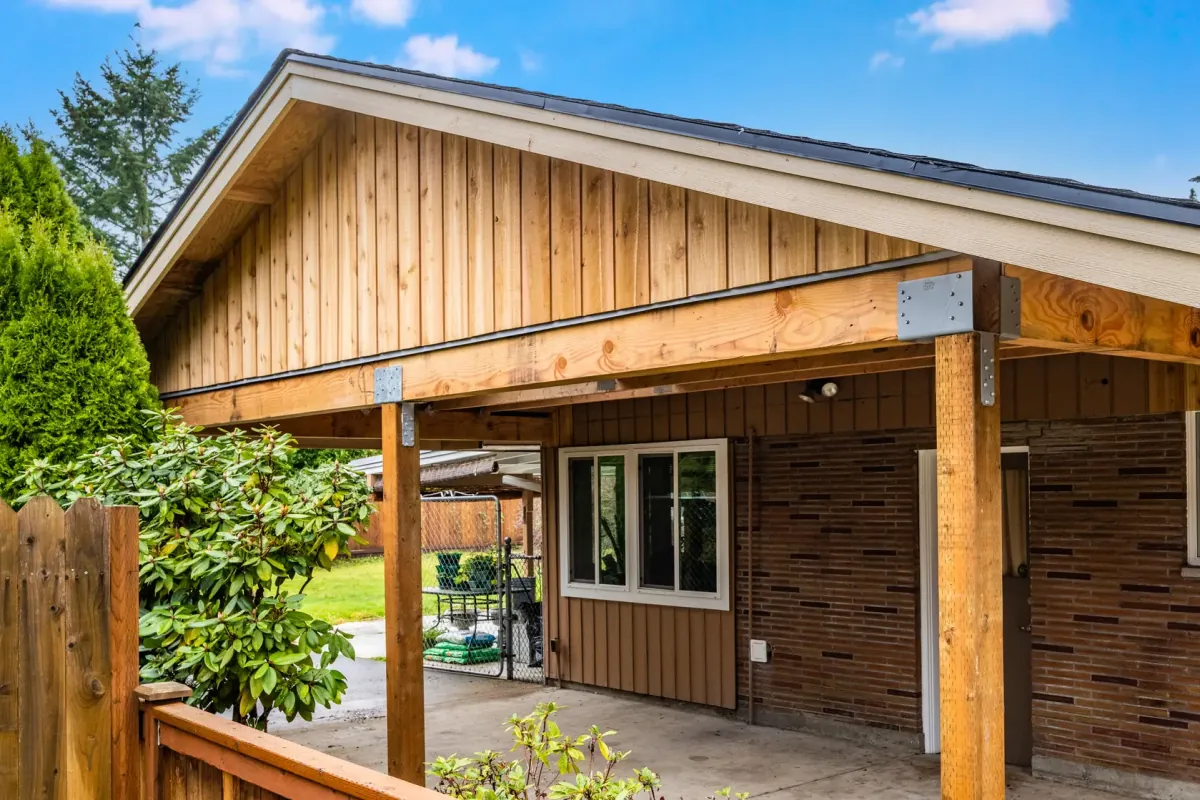
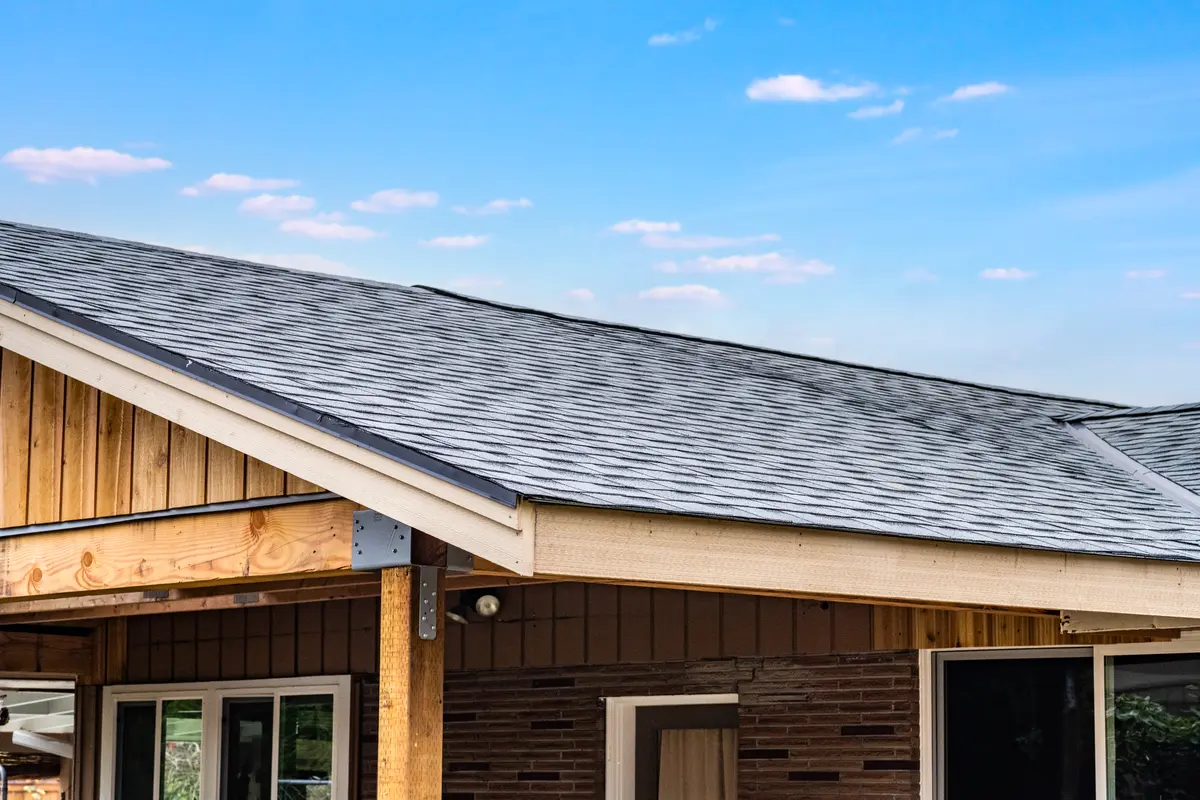
On a carport we rebuilt in Auburn in 2024, the old translucent corrugated panels came off and a gable roof with sheathing, asphalt shingles and skylights went on, tied into the house. That job cost about $75,000.
How do you clean gutters and downspouts for winter?
Clear the leaves and needles once most of them have fallen, then run a hose through each downspout to prove it drains. Under trees, check again in midwinter. A clogged gutter spills over the edge, soaks the fascia and siding, and drops water next to the foundation.
Each downspout should end in an extension or splash block that carries water away from the house, so it does not collect against the foundation or seep into a basement or crawl space. Look along the gutter line for sags, loose hangers and leaking joints while you are up there.
Seattle Public Utilities says on its Weather Preparedness page (read October 2026) that leaves clog storm drains and cause flooding on rainy days, and asks residents to rake leaves before they reach the street.
Our Mid-Range roof replacement includes a gutter and downspout check. New gutters are not in the starting prices, and we price them in writing.
How do you stop drafts around windows and doors?
Feel for moving air around window sashes and door edges on a windy day. Replace worn weatherstripping and door sweeps, and recaulk gaps where window trim meets the siding. These are small jobs. ENERGY STAR calls weather stripping doors and caulking windows simple fixes.
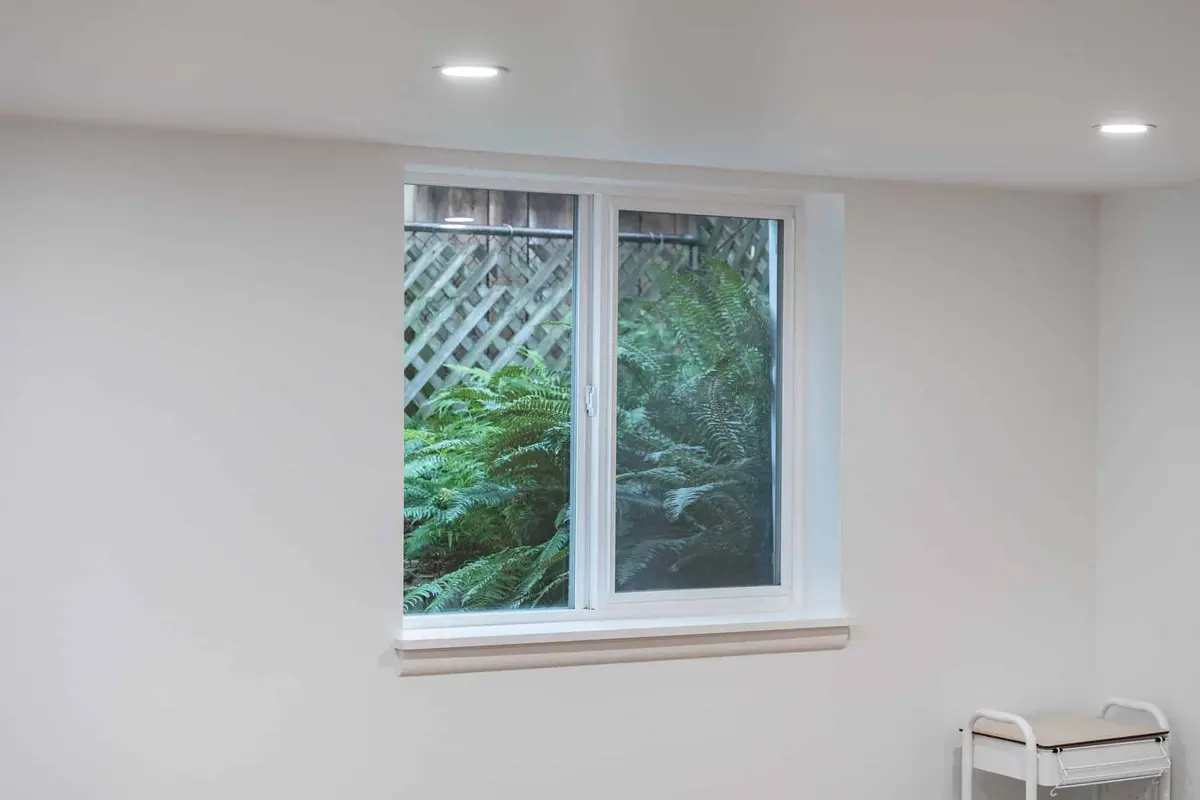
Some windows need more than caulk. When the seal of a double pane unit fails, moisture gets between the panes and fogs the glass from the inside. The Washington State Energy Code gives an unlabeled single pane window a default U-factor of 0.95 in a nonmetal frame (Table R303.1.3(1)). A replacement window has to reach 0.30 or lower (section R503.1.1.1, Table R402.1.3). A lower U-factor means less heat lost through the glass.
Plan replacement ahead of the cold: windows take 4 to 10 weeks to arrive after the order. Our Window Replacement Across the Greater Seattle Area starts at $22,000+ for up to 10 vinyl windows, trimmed and painted.
How do you keep water pipes from freezing in winter?
Disconnect the hoses and insulate any pipe in an unheated space. Seattle Public Utilities says on its Weather Preparedness page (read October 2026): "Protect your home from water pipe breaks by disconnecting garden hoses, insulating outdoor pipes and spigots, and insulating pipes in your crawl space, basement, or attic." An outdoor faucet is also called a hose bib or sillcock.
Find the main shut-off valve before you need it. SPU says it is usually in a basement, crawlspace or garage, and that the first step after a pipe breaks is to close it. Tag the valve so anyone in the house can find it in the dark.
If you have a sump pump, test it before the rains and make sure its discharge line runs clear and away from the house.
When should you service the furnace and chimney before winter?
In the fall. The ENERGY STAR Maintenance Checklist (read October 2026) recommends a yearly pre-season check-up by a contractor, with the heating system checked in the fall, before contractors get busy. It also says to inspect, clean or change air filters once a month.
A fireplace or wood stove needs its own visit. The U.S. Fire Administration heating fire safety page (read October 2026) says: "Maintain heating equipment and chimneys by having them cleaned and inspected each year by a professional." It also says to keep anything that can burn at least 3 feet from heat sources such as fireplaces, wood stoves and space heaters.
Test the smoke and carbon monoxide alarms on the same day.
What tools should a homeowner keep for winter repairs?
A small kit covers most fixes you can make while waiting for a pro:
- Tape measure. For weatherstripping, door sweeps and pipe insulation lengths.
- Screwdriver set. Flathead, Phillips and Robertson bits for loose hinges, strike plates and vent covers.
- Claw hammer and pliers. Needle nose and groove lock pliers for grip, the hammer for loose nails.
- Adjustable wrench and socket set. For hose bibs, fittings and loose bolts.
- Flashlight. For a power outage, the crawl space and the main water valve.
- Handsaw. For storm-broken branches near the roof and gutters.
How do we help Seattle area homeowners get ready for winter?
We walk the attic, crawl space, roof and windows with you and tell you which fixes matter before the rains. You get a written, itemized price for the insulation, roof or window work before anything starts. Every insulation job and every roof we build carries our 2-year workmanship warranty, which can be extended to 5 years.
For remodeling in the city, see Home Remodeling Contractors in Seattle, WA.
Frequently Asked Questions
Are there rebates for insulation in the Seattle area?
Our insulation page notes that Puget Sound Energy offers insulation rebates for its customers through approved contractors. Ask us about them when we visit.
Is blown in or spray foam better for an attic?
Blown in insulation costs less and works well in attics. Spray foam seals air and insulates in one step, and it costs more.
How long does window replacement take once the windows arrive?
On site, 2 to 4 days for up to 10 windows, 4 to 8 days for 11 to 20 and 1.5 to 3 weeks for a whole house.
How long does whole house insulation take?
On site, from 2 days up to 2 weeks for a whole house, after permits. A crawl space and floor takes 1 to 5 days.